

When administering an intravenous injection, precisely locating a vein and successfully injecting into it is crucial for efficacy and safety. However, occasionally one might inaccurately pierce a blood vessel, which can lead to immediate discomfort and potential complications such as a hematoma or an embolism. The main topic of this article is to explore what happens when you hit a blood vessel during an injection, how to avoid hitting blood vessel during injection, the associated risks, best practices to avoid such incidents, and how to manage them if they occur.
Contents
hide
Introduction to Intravenous Injections
Intravenous injections are medical procedures that deliver medication, nutrients, or treatments directly into a vein. This method ensures that substances enter the bloodstream quickly and begin to work promptly, making it a preferred route for emergencies, for patients unable to take oral medication, or in treatments that require precise dosages.
The Basics of Intravenous Injections
Injections into the bloodstream are delicate procedures that require an understanding of anatomy and technique. The procedure necessitates clean equipment, a properly identified vein, sterile techniques to avoid infection, and the precise insertion of a needle for a successful and safe injection.
Common Purposes for Intravenous Injections
- Administering vaccines, antibiotics, or other medications that need rapid absorption.
- Rehydrating patients with fluids in cases of severe dehydration.
- Providing vital nutrients directly to those who cannot eat or absorb them from the gastrointestinal tract, such as patients with malabsorption issues.
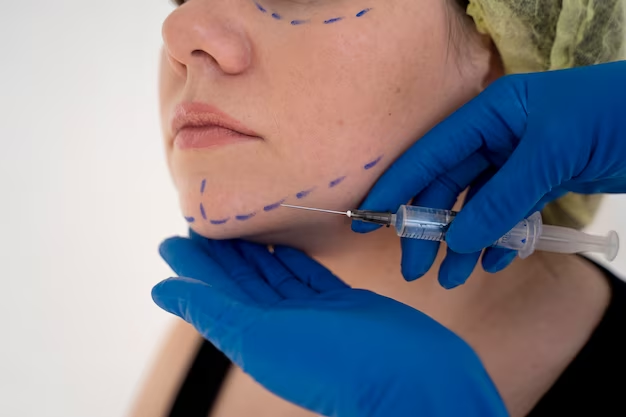
Anatomy of the Injection Area
Understanding the anatomy of the area where the injection is to be administered is vital. Differentiating between arteries, veins, and nerves is crucial because hitting an artery or a nerve can lead to more severe complications than hitting a vein.
Recognizing Blood Vessels
Veins are typically closer to the surface of the skin and have less pulsatile movement compared to arteries. They are often visible to the naked eye, especially in the antecubital fossa, the front of the elbow, where common injections occur.
Preferred Sites for Intravenous Injections
- Antecubital fossa – the inside of the elbow, where veins are usually prominent.
- Dorsum of the hand – the back of the hand can be used, although it may be more uncomfortable.
- Forearm – this area can have a number of accessible veins away from arteries and nerves.
Risks Associated with Intravenous Injections
Intravenous injections show effectiveness but come with inherent risks if blood vessels are inadvertently hit during the process.
Possible Complications When Hitting a Blood Vessel
Complications can arise from incorrectly performed intravenous injections. What causes bruising at injection site is often a result of hitting a blood vessel, which can disrupt the integrity of the blood vessel and cause leakage of blood into the surrounding tissues. Specific techniques and measures, such as applying pressure after the injection, can help manage this and are part of understanding how to avoid hitting blood vessel during injection.
| Complication | Description |
|---|---|
| Hematoma | A localized swelling filled with blood resulting from a broken blood vessel. Often, people may seek information on how to get rid of bruise under eye after filler or how to get rid of bruises on face from injections; these situations involve similar care methods. |
| Thrombophlebitis | Inflammation of the veins that could lead to thrombosis, impeding blood flow. |
| Infection | Introducing bacteria into the bloodstream or at the injection site. |
| Embolism | An air bubble entering the vein and traveling to vital organs can be life-threatening and requires immediate medical attention. |
Long-Term Risks and Consequences
Repeated injection errors can cause longer-term health issues, such as chronic venous insufficiency, where veins are no longer able to adequately return blood from the limbs back to the heart, leading to swelling and pain. Furthermore, individuals on medication to prevent clotting, such as blood thinners, might wonder how do you get rid of bruising on blood thinners; these cases demand extra caution as they are more prone to bruising and require careful techniques to minimize injection-related bruising.
The first half of the article covers the basics and risks of intravenous injections, along with the anatomical understanding necessary for safe administration. An in-depth look at immediate responses, safety measures, and long-term management will be outlined in the subsequent sections. Continuing from where we left off, after identifying the anatomy and potential risks associated with hitting a blood vessel during an injection, we now delve further into how to manage such an event and preventative strategies.
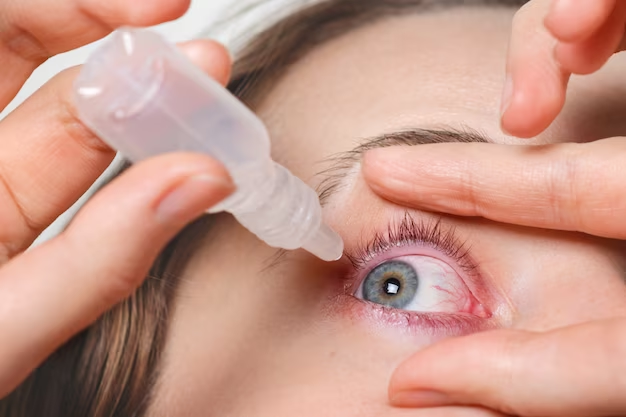
Immediate Steps after Hitting a Blood Vessel
When a blood vessel has been hit during an injection, certain signs and symptoms will manifest. Immediate swelling, a visible bruise, pain at the injection site, or even bleeding are clear indications that a blood vessel has been compromised. It’s essential to act promptly to minimize discomfort and prevent further complications.
Signs You’ve Hit a Blood Vessel
Symptoms indicating you may have hit a blood vessel include:
- Sharp pain
- Immediate swelling
- Blood in the syringe
- Bruise or discoloration
Initial Response and First Aid
Upon recognizing that you’ve hit a blood vessel, you should:
- Stop the injection immediately to prevent further medication or substance from entering the blood vessel.
- Apply pressure to the site after withdrawing the needle to control any bleeding and help prevent a hematoma from forming.
- Elevate the area if possible to reduce swelling and slow the spread of any potential bruising.
If the bleeding or discomfort continues, seek medical attention as soon as possible to ensure proper care and to rule out more serious complications.
Preventive Techniques and Best Practices
Understanding the proper techniques and following best practices are vital to avoiding hitting a blood vessel during an injection.
Proper Injection Techniques
To minimize the risk of hitting a blood vessel, execute the following:
- Use palpation to distinguish between veins and other subcutaneous structures, ensuring the proper site is chosen for injection.
- Apply a tourniquet if necessary, to make the veins more prominent and easier to access.
Following these steps, along with strict adherence to aseptic methods, improves the odds of a successful and complication-free injection.
How to Choose the Right Needle Size
Selecting the appropriate needle size based on the patient’s anatomy and the type of injection being given can greatly reduce the risk of inadvertently hitting a blood vessel. A needle too large can cause unnecessary trauma, while one too small might not be effective in delivering the substance.
Safety Measures to Avoid Hitting a Blood Vessel
To further reduce the risk:
- Ensure good lighting and visibility of the injection site.
- Stay calm and composed, as nervousness can lead to mistakes.
- If feasible, have a trained medical professional perform the injection.
Treatment and Medical Attention
Seeking appropriate treatment following a mishap is crucial in preserving health and preventing lasting damage.
When to Seek Medical Help
If complications persist or worsen, such as increasing pain, swelling, or signs of infection, medical assistance should be sought promptly. Additionally, if you experience symptoms such as difficulty breathing, dizziness, or chest pain, these could signify a systemic reaction requiring immediate emergency care.
Treatment Options for Injection-Related Injuries
Medical professionals may offer treatments ranging from conservative measures like ice and compression therapies to more invasive procedures if necessary, such as surgical interventions for severe hematomas or infections.
Understanding Hematoma Formation
A hematoma occurs when blood pools outside of a vessel. It’s crucial to distinguish between a hematoma and other forms of bruising because treatment methods may differ based on the issue at hand.
Defining a Hematoma
Hematomas are accumulations of blood that are typically more substantial and localized than ordinary bruises and may require medical intervention if they do not resolve on their own.
Differences Between a Hematoma and a Bruise
While both involve blood leaving the vessels, a hematoma generally has a firmer consistency, is more defined, and is more likely to cause pressure on surrounding tissues, which might necessitate medical intervention to alleviate discomfort or complications.

Psychological Impact of Injection Complications
The psychological impact of complications arising from injections, whether cosmetic or medical, can be significant and may affect individuals on various levels. Experiencing complications such as pain, swelling, infection, or adverse reactions can lead to a range of emotional responses and concerns.
Anxiety and Fear: Individuals who have encountered complications during injections may develop heightened anxiety and fear associated with future injections or medical procedures. The fear of a repeat incident can be a significant barrier to seeking necessary medical care or undergoing cosmetic procedures in the future.
Body Image Concerns: In the case of cosmetic injections, complications may impact an individual’s perception of their own appearance. Swelling, bruising, or other adverse effects can lead to temporary changes in facial features, triggering body image concerns and affecting self-esteem.
Trust Issues: Experiencing complications may erode trust in healthcare professionals or practitioners administering injections. Individuals may become more cautious or hesitant to undergo future treatments, even if recommended for medical reasons.
Social Impact: Cosmetic injection complications, especially if visible, can have social implications. Individuals may feel self-conscious about their appearance, leading to social withdrawal or avoidance of social situations. This can impact interpersonal relationships and daily life activities.
Depression and Stress: Persistent complications or challenges in resolving them may contribute to feelings of depression and chronic stress. The emotional toll of dealing with the physical consequences of injections can be overwhelming for some individuals.
Coping Strategies: It’s crucial for individuals experiencing psychological distress related to injection complications to seek support. This may involve discussing concerns with healthcare providers, seeking counseling or therapy, and engaging in open communication with friends and family. Understanding the nature of the complications, their potential resolution, and future preventive measures can also contribute to a more positive outlook.
Overall, addressing the psychological impact of injection complications requires a holistic approach that considers both the physical and emotional well-being of individuals. Healthcare professionals should be attentive to the psychological aspects of patient care and provide support beyond the resolution of physical complications.
Legal and Ethical Considerations
The legal and ethical responsibilities of healthcare providers come into focus when discussing injection complications.
The Role of Healthcare Providers
Providers are obligated to perform injections safely and to inform patients about risks, obtaining informed consent before the procedure.
Patient Rights and Informed Consent
Patients have the right to understand potential risks and to give their informed consent before any procedure, ensuring they are active participants in their healthcare decisions.
Conclusion and Takeaway Messages
Understanding the potential complications of hitting a blood vessel during an injection is essential for both healthcare providers and patients. Employing correct techniques, following preventative measures, and being aware of how to respond to any adverse events can help mitigate risks and ensure safe injection practices.
Final Thoughts on Safeguarding Your Health During Intravenous Injections
Safety in medical procedures like injections is paramount. By educating both healthcare professionals and patients on proper techniques and preventive strategies, we can reduce the incidence of complications and promote health and well-being.
Frequently Asked Questions
What immediate steps should one take if they hit a blood vessel during an injection?
- Cease the injection to prevent any more substance from entering the vessel.
- Withdraw the needle and apply pressure to the site to control bleeding.
- Elevate the area and apply a cold pack if possible to minimize swelling.
- Monitor the area for signs of complication and seek medical attention if necessary.
How can healthcare professionals minimize the risk of hitting a blood vessel?
Healthcare professionals can minimize risks by:
- Properly identifying the injection site
- Using the correct needle size and injection technique
- Following aseptic procedures to reduce infection risks
- Having a clear understanding of anatomy and being trained in recognizing when a blood vessel has been hit
Can hitting a blood vessel cause a serious medical emergency?
Yes, hitting a blood vessel, especially an artery, can lead to serious complications such as embolism or severe bleeding. If symptoms like chest pain, difficulty breathing, or excessive bleeding occur, seek emergency medical care immediately.
How can patients ensure their own safety during injections?
Patients can:
- Be informed about their treatments
- Voice any concerns or questions they have
- Follow any directions given by healthcare professionals for pre- and post-injection care
Are there long-term effects of repeatedly hitting blood vessels during injections?
Repeatedly hitting blood vessels can lead to long-term effects such as scarring, chronic pain, nerve damage, and in cases of repeated hematoma formation, potential vascular injury which could necessitate more intensive medical treatment.