
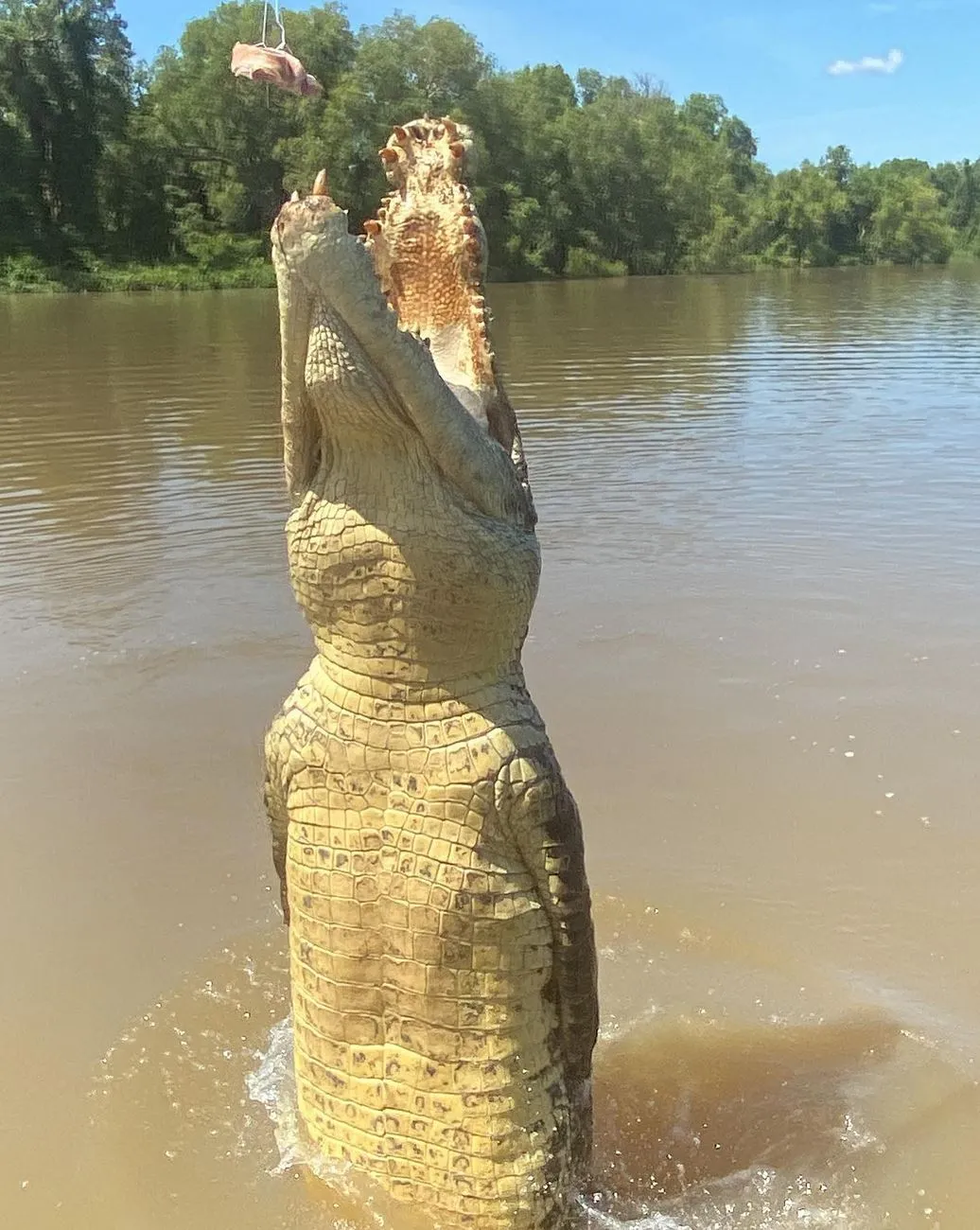
Every year, someone comes to me and says, “Paul, how far in advance do I need to book for the dry season school holidays?” And the answer is, a whole lot earlier than you’d probably think, mate. The dry season is the peak time in northern Australia – every other place down south is freezing, and yet all the caravanners, campers and anyone with a bit of wanderlust is heading north for some sun, blue skies and those perfect 28 degree days that you only seem to get in a tropical climate.
I’ve seen it happen – caravan parks are full to bursting, and families are stuck queueing online trying to book a spot. Even those without bookings have to park up in rest areas, as they didn’t get a look-in on the accommodation. The dry season’s got the best that northern Australia has to offer – reef adventures, rainforest magic, and vast open outback national parks. But it also brings the crowds – so if you’re thinking of a self-drive trip, a bit of scuba diving or a luxury stay under the palms, here’s how not to get caught out.
Contents
hide
Understanding the Dry Season Rush
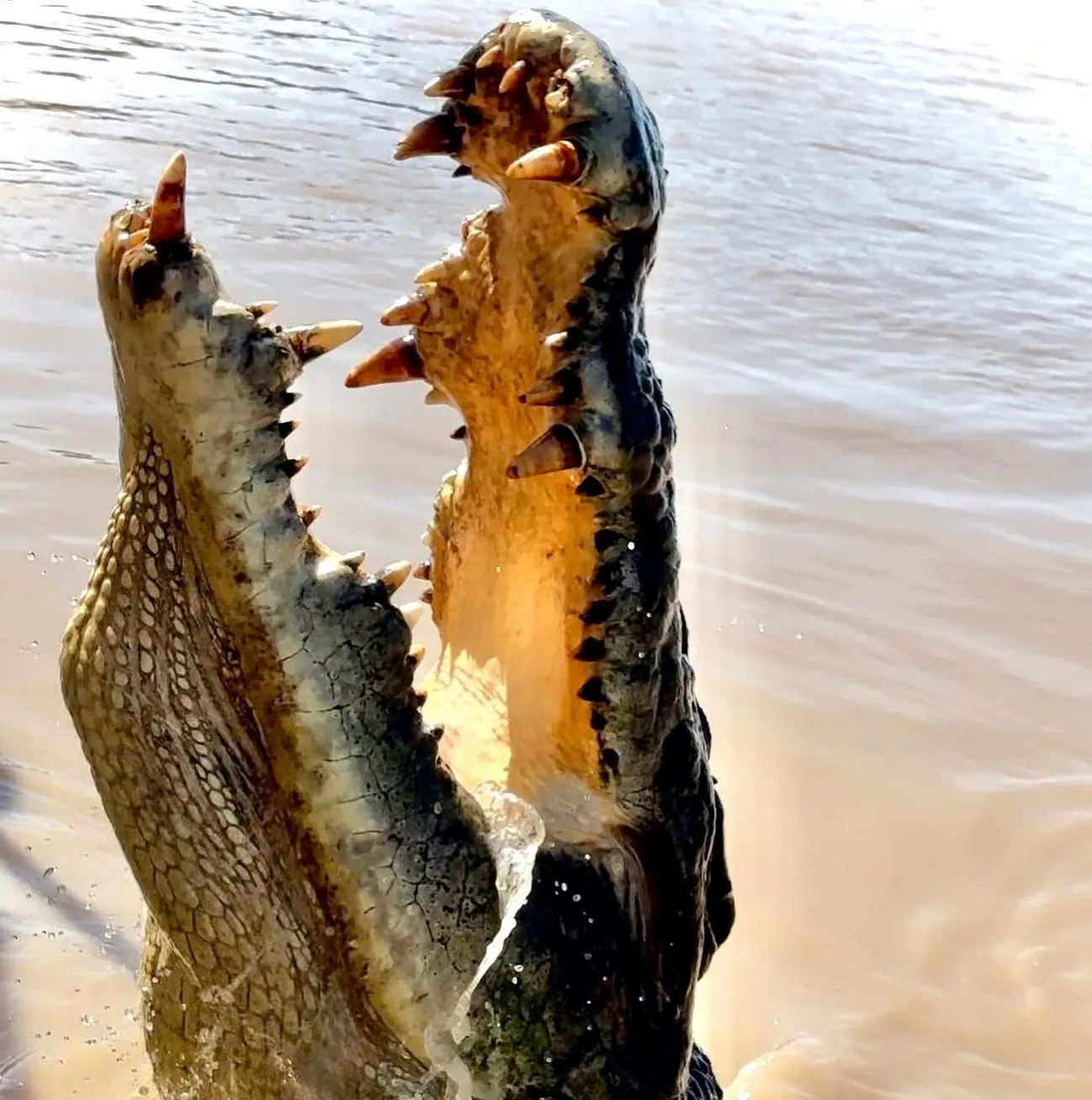
From May to October, northern Australia turns on its charm: no humidity, no mozzies and no rain. No wonder every southern family is headed north during school holidays – along with grey nomads towing their caravans and all sorts of other travellers, filling up all the campsites between Darwin and Cairns.
Tourism Research Australia keeps an eye on things, and they reckon the visitor numbers across northern regions shoot up by more than 40% between April and July. Most caravan parks are booked out solid throughout the school holiday periods too. It’s not just backpackers and families, either – you’ll find romantic couples booking luxury in the Whitsundays, self-drive couples roughing it in the state forests of Queensland and just about everyone else in between.
| Traveller Type | Booking Lead Time | What Gets Snapped Up |
|---|---|---|
| Family travellers (school holidays) | 6–9 months | Resorts, cabins, family rooms |
| Caravan & camping travellers | 8–12 months | Powered sites, free camps |
| Couples/solo travellers | 4–6 months | Small lodges, rural stays |
| Tour guests | 4–6 months | Iconic experiences like the Jumping Crocodile Cruise |
| 4WD adventurers | 9–12 months | Outback camps, national park permits |
So, if you’re still dilly-dallying over a trip to Oz in April, you’re already way behind the eight-ball.
Timing Your Bookings by Region – The Australian Way
Every region in Australia has its own unique quirks – weather, closures, and just generally being a bit different. Planning around these things can save you from the headache of running up on a “no vacancy” sign.
Northern Territory: Adventure, Culture, and a healthy dose of Crocs
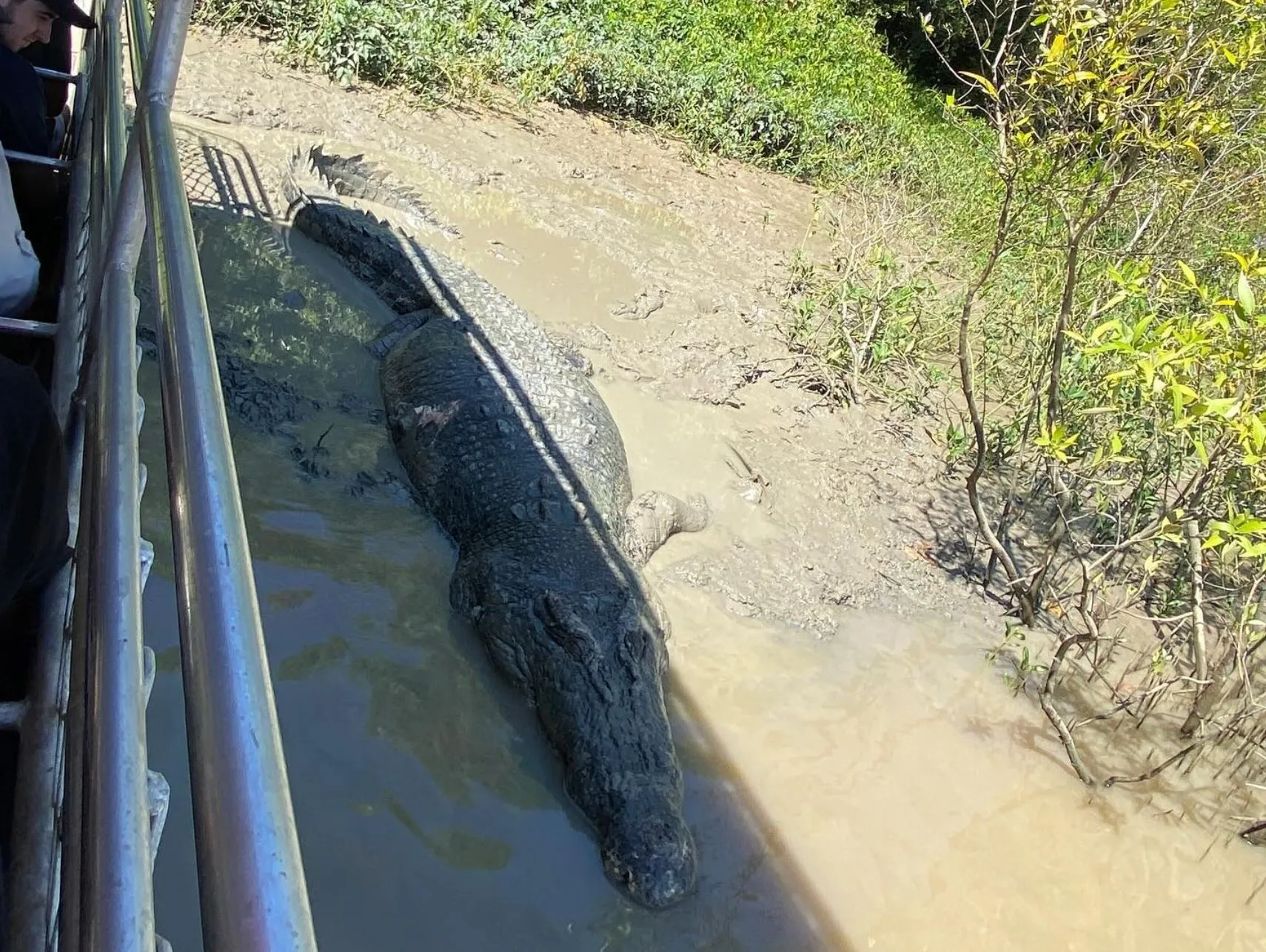
The Northern Territory’s dry season is just as pretty as you’ve heard – warm days, cool nights, and that fresh earthy smell after the wet weather clears. But it’s also peak season, which means it’s super competitive.
Kakadu National Park: If you’re after lodges or guided tours, you’d best be booking 6 to 9 months ahead – the wetlands are teeming with wildlife, and the likes of the Jumping Crocodile Cruise on the Adelaide River are as popular as they are in high demand during June and July.
Katherine & Nitmiluk Gorge: If you’re keen on canoeing, cruises or a guided walk through the gorge, be prepared to book out months in advance.
Litchfield National Park: If you’re only going to make it out to this one, it’s close enough to Darwin for a day-trip – but don’t bother unless you’ve booked ahead, especially if it’s festival time in the city.
Darwin: Don’t even think about showing up to the Darwin Festival in August without a spot booked up – the city’s sun resorts and waterfront apartments are snapped up in no time.
I recall a July or two ago when I was leading a tour in Kakadu and ended up sleeping in my swag behind a servo because I couldn’t get a room anywhere between Jabiru & Katherine – talk about a dry season surprise! That’s what it’s like when you leave it too late.
Western Australia: The Kimberley – A Bucket List Destination
The Kimberley region is usually the highlight of most Aussie trips, but it’s a bit of a doozy to get right. The Gibb River Road only opens between May and October – weather permitting – which is sometimes only after the wet has properly cleared.
Broome: If you want a spot near Cable Beach, you’re best off booking between 9 to 12 months ahead – life’s too short to squabble over a sun-lounger.
El Questro & Home Valley: Wilderness camps and gorge stays are few and far between, so make sure you book at least 6 months out.
Kununurra: It’s wall-to-wall visitors between festivals, fishing competitions and your average road tripper in June and July.
In 2024, Tourism WA reported over 330,000 visitor nights in the Kimberley in July – that’s every second car with a 4WD dreaming of the red dirt frontier.
And don’t even get me started on sports competitions – regional rodeos, outback marathons, and fishing tournaments can fill every available room for 200 kilometres.
Queensland: From Reef to Rainforest
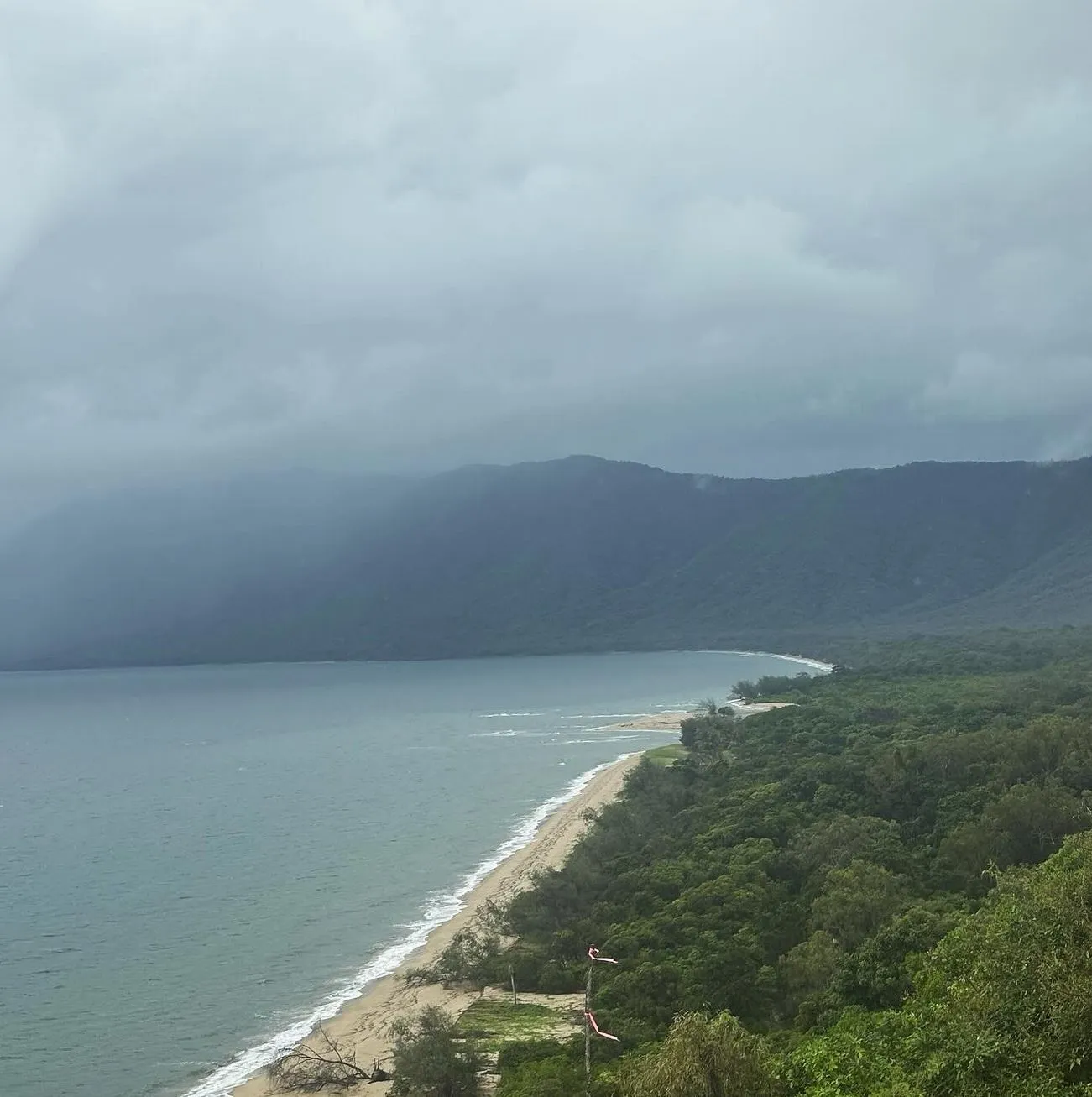
If you’re chasing that reef-safe travel glow, Queensland‘s dry season is the ticket. The water’s crystal clear, the reef’s as calm as can be, and it’s the best time for scuba diving and reef adventures.
Cairns & Port Douglas: 4 to 6 months minimum to book hotels and reef tours – don’t bother rocking up after that.
Cape Tribulation: If you’re after a cabin or eco-lodge, you’ll need to book ahead – aim for 6 to 8 months if you want to be in with a chance.
Whitsundays: Luxury accommodation sells out by February for the July school holidays – good luck finding a spot.
Atherton Tablelands: Cool nights, perfect for a romantic getaway among the rural B&Bs.
We run small-group trips up this way and even with guaranteed allocations, July is sold out by March – it’s that popular. And don’t forget, Queenslanders start their dry season right when the southern winter exodus gets going – so you get two solid months of non-stop demand.
How School Holidays Shape Your Trip
The thing that usually catches people off guard is that Australian states don’t share the same school holiday periods. So, while one state is wrapping up, another is just getting going – which means you get two months solid of non-stop demand.
| State/Territory | Typical Mid-Year Holiday Dates | Notes |
|---|---|---|
| NT | Late June – mid-July | Finke Desert Race spikes demand |
| WA | Early July – late July | Overlaps with NT |
| QLD | Late June – mid-July | Major family travel window |
| NSW | Early July – late July | Long overlap with VIC |
| VIC | Late June – mid-July | Often coincides with QLD |
Layer public holiday dates in and you’ve got a perfect storm brewing. Easter break merges with early-bird dry-season travellers, and by mid-June, you’re fighting for a spot in every caravan park from Darwin right down to Townsville.
Getting There: Flights, Rentals And The Like
Flights and rental cars are the first things to vanish during the dry season. Prices shoot up faster than a goanna scrambling up a gum tree, and even coach transfers on the popular routes start to book out.
My golden rule is this:
- Flights: Book 3-6 months ahead – that way you’ll snag the best fares.
- Rental Cars & 4WDs: Reserve a car 6-9 months ahead – especially if you’re doing a one-way trip like Broome to Darwin.
- Coach Transfers: Get a seat booked at least a month out – especially if you’re going between Cairns, Port Douglas, and Cape Tribulation.
- Ferries: Fitzroy Island, Magnetic Island, and Fraser Island all fill up super quickly – make sure you prebook those ferry crossings.
I once met a couple in Broome who’d been planning the trip of a lifetime – a dream self-drive adventure – but when they finally went to hire a car, they couldn’t find one anywhere within 500 km. So they ended up buying an old ute on Facebook. That’s a true story.
The Cost of Messing It Up
There’s a certain sort of Aussie optimism when it comes to travel – “she’ll be right, we’ll find something” – but the dry season doesn’t play nice. If you miss the window, you’ll pay for it.
- Accommodation: Rates jump by 25-50% all over the northern towns.
- Car Hire: Shortages mean you’ll be paying double, or missing out entirely.
- Tours: Experiences like the Jumping Crocodile Cruise or Nitmiluk canoe hire sell out weeks in advance.
- Camping: A lot of travellers end up parking at free camps or rest stops because the formal campgrounds are chock-a-block.
If you want to stretch your budget a bit, keep an eye out for last-minute deals – but only if you’re planning to travel during the shoulder season (May or September). By July, though, those deals are as rare as an empty esky on a hot summer’s day.
The Smart Way to Plan Ahead
Planning months in advance doesn’t have to be a right old hassle. I like to build trips in layers – anchor points first, then fill in the details later.
- Get the Basics Sorted
Book your flights, hire a vehicle and the first couple of nights’ accommodation. These are the foundations of your trip. - Add the Fun Stuff
Once you’ve got the framework set, add your tours – like the Jumping Crocodile Cruise, reef charters or outback gorge tours. A lot of operators let you reschedule if your dates change. - Fill in the Gaps
Smaller towns, rural locations and state forests are often still available closer to departure. Use apps like WikiCamps to find free camps and rest stops with amenities.
Checklist for Beating the Rush
Here’s a simple timeline to get you planning your dry-season adventure:
| Task | Ideal Timing | Notes |
|---|---|---|
| Flights | 4–6 months out | Watch for sales |
| Rental Cars | 8–12 months | One-way trips book early |
| National Park Passes | 3–6 months | Needed for NT & WA |
| Accommodation | 6–9 months | Especially for luxury accommodation |
| Major Tours | 4–6 months | Croc cruises, reef trips |
| Camping Permits | 6–8 months | Popular outback national parks fill fast |
| Travel Insurance | 2–3 months | Cover for remote travel |
Remember — if you’re dreaming of alpine hiking or snow sports instead, you’ll face the same battle down south. Peak season’s peak season, no matter the weather.
Weather and Climate at a Glance
The dry season delivers postcard weather, but knowing the details helps you pack right.
- Days: 26–32°C with clear skies.
- Nights: Cool inland, sometimes down to single digits.
- Rain: Practically none — though May and October can bring sprinkles.
- Wind: The trade winds pick up near the coast, great for sailing.
- Dust: Expect plenty if you’re driving the Gibb or the Savannah Way.
By contrast, the green season (wet months from November to April) means lush landscapes, thunderous waterfalls and cheaper stays — but also daily downpours, swollen rivers and mozzies big enough to carry off your thongs.
Travel Flexibility: Your Secret Weapon
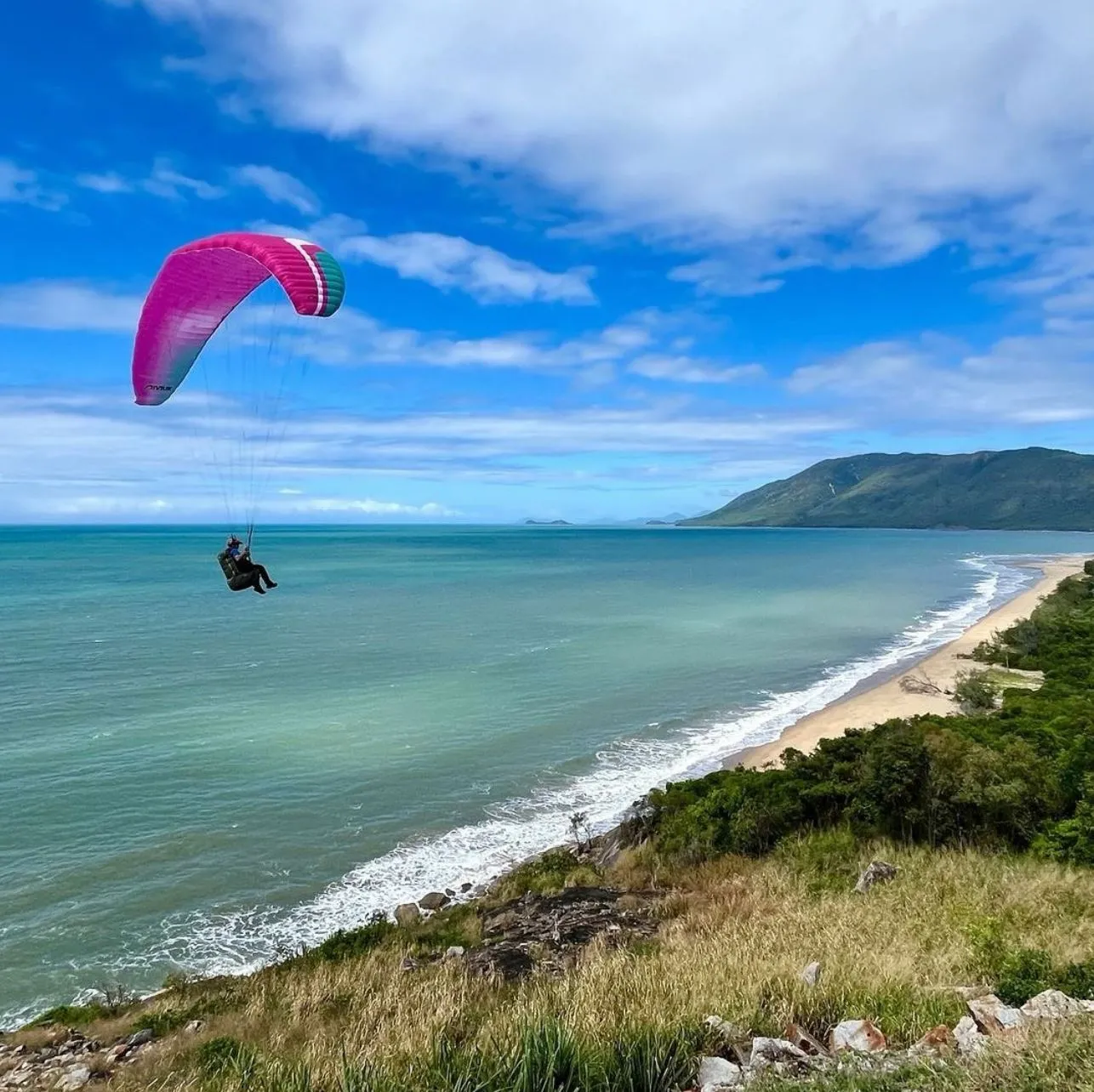
The best travellers I know plan early but stay flexible. Many operators now offer free date changes or low-deposit holds — use them. It locks in your dry-season dream without tying your hands.
Booking directly with Aussie operators (not faceless overseas sites) helps too — they’ll pick up the phone if plans change mid-trip. The Jumping Crocodile Cruise crew, for example, are great at shuffling bookings if the tides or your itinerary shift.
Balancing Certainty and Spontaneity
Even in peak season, you can still travel your own way. I tell people to plan their skeleton — key stays, car hire, big tours — and leave breathing room in between. That way, if you spot a roadside mango stall or a detour to a hidden gorge, you’ve got time to enjoy it.
- Be flexible with: Route direction (Darwin → Broome or the reverse)
- Stopover lengths
- Activities in smaller towns
- Don’t be flexible with: Car hire
- Accommodation in major hubs
- Public holiday dates and events
Why Early Planning Saves Real Money
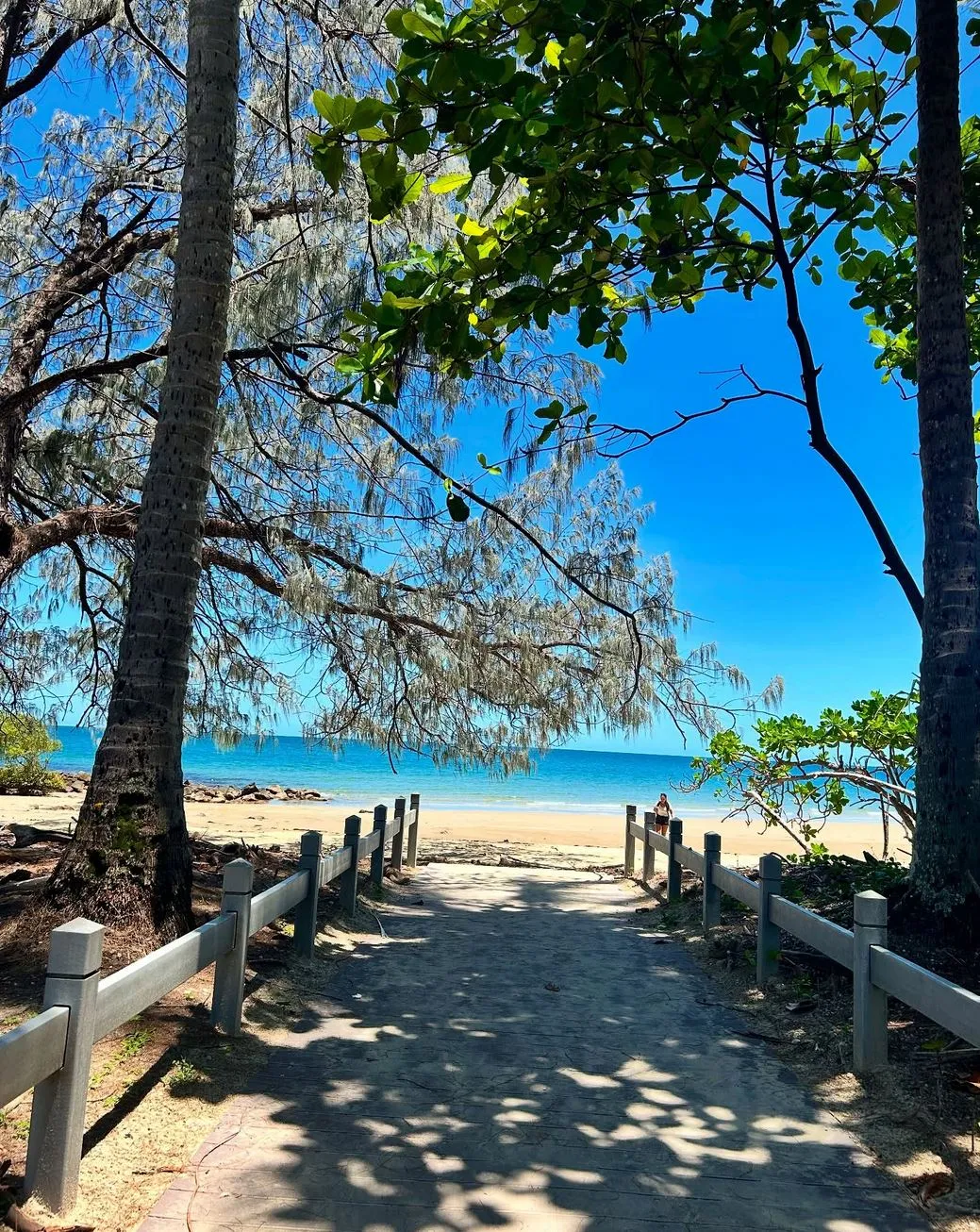
Booking early doesn’t just guarantee availability — it keeps your wallet happy. Airlines, car hire firms and tour operators release early-bird deals months out. Miss those, and prices spike hard.
| Expense Type | Early Bird (6+ months) | Late Booking (Under 2 months) |
|---|---|---|
| Return Flights (Melb → Darwin) | $420 avg | $760 avg |
| 4WD Hire (Daily) | $150 | $250+ |
| Mid-Range Hotel | $180 | $280 |
| 10-Day Trip Total | $3,600 | $5,200+ |
That’s $1,600 you could put toward an upgrade, a few reef dives, or a night or two in that fancy lodge you’ve been eyeing.
Country and Community
Every outback track and rainforest trail you visit is part of someone’s story. Many of these places are on Aboriginal Country — from the saltwater Country of the Larrakia people near Darwin to the rainforest Country of the Kuku Yalanji near Mossman. Always check for permits, follow local advice and support Indigenous-owned operators where possible.
Travelling smart means more than just booking early — it’s about respecting the land, the people and the seasons.
How Far Ahead Should You Book?
After years of guiding and a few nights sleeping in utes when I didn’t plan ahead, here’s my take:
- Families: 9 months ahead for July school holidays
- Couples: 6 months ahead
- Solo travellers: 4 months if you’re flexible
- Caravaners & 4WDers: 10-12 months for premium sites
And if you’re reading this during the dry? Start planning for next year’s school holiday periods — no joke.
Classic Traveller Mistakes
- Forgetting that “remote” doesn’t mean empty
- Booking flights before checking rental car availability
- Overlooking public holiday dates and local festivals
- Not accounting for age groups in family accommodation
- Ignoring cancellation terms or insurance
Even the most experienced travellers make mistakes. The goal’s not perfection — it’s preparation.
Final Thoughts
Every year i meet heaps of travelers who swear theyre going to book their trip well in advance next time. But let me tell you – the dry season has a way of chewing up the unwary. It rewards folks who actually plan ahead and figure out when to lock things in and when to just go with the flow.
So, whether you’re chasing crocs on a Jumping Crocodile Cruise, or diving headfirst into coral gardens, or just doing a road trip between outback national parks, get your act together and plan ahead – and you’ll have a blast.
If you need any help sorting out your route or finding a decent feed along the way between the tropics and the dusty bits, give me a shout. I’m Paul Beames, and I’ve been to all the same places you’ve probably got in mind – I mean, I’ve been there twice for starters – and I still reckon there’s no greater buzz than watching the sun go down over a red-rock escarpment after a long day in the dry.
FAQ
How far in advance should I book for popular dry season tours?
For ripper experiences like the Jumping Crocodile Cruise or Kakadu scenic flights, you should be chasing those bookings up at least 4 to 6 months in advance – and a good 12 months if you happen to be visiting in July.
Is there a quieter time in the dry season?
Ah, yeah – May and late September aren’t too bad at all. The weather is still spot on, crowds are smaller, and you might even pick up a decent deal.
Any good last-minute deals for July?
Not a lot to be honest – most of the deals get swallowed up by June. But you might be able to pick something up on a local booking portal if you’re after a smaller stay or something off the beaten track.
Can I just turn up and camp without booking in advance?
Only in designated free camps or state forests – and even then, they get snapped up near the popular tracks pretty quickly. Always check those road conditions before you go.
What else is there to do apart from the dry season?
The green season – just lush, quiet, and great for waterfalls and photography. Sure, you’ll be up to your neck in humidity and storms, but it’s actually pretty magic in its own right.