
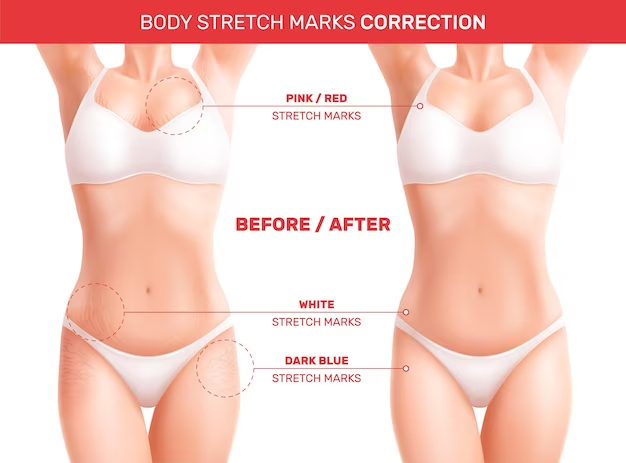
Introduction to Liposuction and Skin Elasticity
Liposuction offers a way to refine body contours by removing excess fat cells, but the skin’s response to this change is a significant part of the journey to a new body shape. Skin elasticity, or the skin’s ability to stretch and return to its original shape, plays a critical role in the final aesthetic outcome.
If the skin is healthy and elastic, it’s more likely to snugly conform to the body’s altered silhouette, exhibiting effective skin retraction after liposuction. In contrast, less elastic skin may take longer to adapt, possibly leading to a lesser degree of skin retraction or even necessitating additional treatments for optimal results.
What Factors Influence Skin Tightening?
Several factors come into play when considering how quickly and effectively the skin tightens after liposuction:
- Age and Skin Elasticity: Younger skin usually has a higher content of collagen and elastin, making it more resilient and responsive to treatments like laser skin tightening after liposuction.
- Amount of Fat Removed: Larger volumes of fat removal can result in more significant skin laxity, potentially requiring more time for adjustment or additional treatments like j-plasma skin tightening for enhanced results.
Maintaining a healthy lifestyle both before and after surgery can significantly impact the skin’s ability to tighten. Smoking, poor nutrition, and inadequate hydration may all contribute to diminished skin health and elasticity, slowing the recovery process.
The Role of Collagen and Elastin
Collagen and elastin are the key proteins that give skin its structure and flexibility. Collagen provides strength and firmness, while elastin allows the skin to stretch and bounce back. The production of these proteins can diminish with age or due to environmental factors, impacting the skin’s natural tightness. Enhancing the body’s collagen and elastin post-liposuction is crucial to achieving the best skin tightening results, often involving targeted skincare routines and healthy lifestyle habits. In this realm, professional treatments like laser skin tightening after liposuction can further boost the skin’s firmness and contouring process.

The Timeline of Skin Tightening Post-Liposuction
The process of skin tightening is not immediate and progresses through various stages post-liposuction:
- Immediate Post-Operative Phase: The body initiates the healing process, but swelling and fluid retention may mask any immediate skin retraction.
- Short-Term Recovery (1-3 Months): As swelling decreases, the initial phase of skin tightening becomes apparent.
- Long-Term Results (6 Months and Beyond): The skin continues to adapt to the new body contours, with optimal skin retraction typically visible by this time.
| Timeframe | Expected Progress |
|---|---|
| 0-1 Week | Swelling peaks; minimal skin retraction |
| 1-4 Weeks | Swelling subsides; early signs of skin tightening |
| 1-3 Months | Noticeable improvements in skin firmness |
| 3-6 Months | Skin adapts; near-complete tightening |
| 6+ Months | Maximum skin retraction and settling |
The First Month: Initial Healing
In the first few weeks following liposuction, it’s normal to experience significant swelling as the body heals. Crucial to this period is the utilization of procedures like what is j-plasma skin tightening, which may be recommended by some experts to facilitate enhanced skin tightening. Patients are typically fitted with compression garments that aid not only in reducing swelling but also in promoting skin to contract and adapt more efficiently to new bodily contours.
Two to Three Months: Noticeable Changes
By the second and third months, swelling goes down considerably, and the shape of the newly contoured areas becomes more apparent. At this point, the skin starts reacting more visibly to the changes in body shape. You may notice areas where the skin appears smoother and firmer. This stage may be assisted by modalities that focus on additional tightening, such as laser skin tightening after liposuction, which can encourage the skin to conform more closely to the underlying structures.
Six Months and Onwards: Optimal Outcomes
Reaching the six-month mark, most patients observe a significant degree of skin tightening. However, it is also important to be aware of potential j-plasma liposuction side effects if such additional procedures have been used to enhance skin retraction. Long-term outcomes should be evaluated in conjunction with any side effects to ensure overall satisfaction with the liposuction and skin tightening treatments.
Methods to Support Skin Tightening
To optimize skin tightening post-liposuction, patients can employ several effective methods:
- Compression Garments: Consistent use of compression wear is vital for encouraging the skin to adapt to the body’s new shape.
- Nutrition and Hydration: A balanced diet rich in vitamins and minerals and ample hydration can improve skin elasticity.
- Physical Activity and Skin Firming Exercises: Regular exercise and targeted workouts can enhance muscle tone beneath the skin, thereby contributing to a firmer appearance.
In addition to these daily habits, there are professional treatments and skincare products designed to further support and stimulate the skin’s natural tightening process. It’s encouraged to discuss these options with a dermatologist or surgeon who can provide personalized advice based on your specific needs and recovery progress, including addressing any queries on what is j-plasma skin tightening and the suitability of such treatments for your case.

Nonsurgical Options to Enhance Skin Tightening
In addition to the natural healing process and lifestyle adjustments, there are several nonsurgical methods available to further promote skin tightening after liposuction. These treatments often help to improve skin texture, tone, and overall appearance, complementing the results of your liposuction procedure.
- Skin Firming Creams and Treatments: An array of creams can be applied topically to enhance skin tightness. These products typically contain ingredients such as retinoids, peptides, and antioxidants to boost collagen production.
- Professional Therapies: Apart from laser skin tightening after liposuction, other professional treatments include radiofrequency, ultrasound, and newer technologies like cryolipolysis. Each of these treatments targets the skin’s deeper layers to stimulate firming and tightening.
It’s worth consulting with a dermatologist or cosmetic specialist who can recommend a tailored plan that combines these nonsurgical treatments with your post-liposuction care to achieve the best possible outcomes.
Realistic Expectations and Patience
The road to complete skin tightening after liposuction requires time, and it’s important for patients to manage their expectations realistically:
- Patience is Key: The body goes through a significant healing and adjusting process following liposuction, and skin tightening is no exception. It rarely happens overnight, and expecting immediate results can lead to disappointment.
- Gradual Changes: Subtle changes can generally be observed during the first few months, with more pronounced skin tightening occurring by the six-month mark or later.
Being mindful of these expectations and keeping ongoing communication with your surgeon helps ensure that you remain positive and patient throughout the post-liposuction journey.
When to Consult Your Surgeon
Understanding when to seek advice from your surgeon is critical to addressing any concerns during the recovery phase. If skin does not appear to be retracting as expected, or if you observe any potential complications, it is essential to consult with your surgeon. Common topics for discussion during follow-up visits might include concerns about persisting swelling, uneven skin texture, or advice on additional treatments to support skin firmness.
Additional Considerations and Alternatives
Some patients may find themselves facing challenges with skin laxity after liposuction. This can be due to various factors including genetic predisposition, age-related decrease in skin elasticity, or lifestyle influences.
If natural skin retraction is not progressing satisfactorily, several alternatives may be considered:
- Surgical Skin Tightening: In cases where nonsurgical treatments are not enough, surgical options like tummy tucks or body lifts may be suggested. These procedures remove excess skin and tighten the remaining skin to fit the body’s new contour.
- Revision Liposuction: Occasionally, uneven skin can result from the initial procedure and may necessitate a corrective liposuction for better outcomes.
Patients should exhaust non-invasive measures first before opting for these more invasive approaches, as each carries its own set of risks and recovery implications.
Overall
In summing up the journey of skin tightening post-liposuction, it is clear that it spans a wide spectrum of experiences. Every patient is unique, with their skin responding distinctively following the procedure. Embracing a healthy lifestyle, following post-operative care instructions, and utilizing nonsurgical treatments judiciously can significantly contribute to achieving a taut, smooth skin appearance.
Still, patience is the most crucial aspect, along with level-headed expectations and a clear understanding of the different stages of recovery. By approaching the post-liposuction period with a well-informed and measured perspective, patients can navigate their way to the best possible results with confidence and clarity.
FAQ
Q1: Is it normal for skin to feel loose immediately after liposuction?
A1: Yes, it is normal to experience some degree of loose skin following liposuction, as the body needs time to adjust and firm up which can take several months.
Q2: Are there any specific exercises that help with skin tightening after liposuction?
A2: While there aren’t exercises specifically for skin tightening, a regular routine that includes strength training and cardiovascular exercises can build muscle and improve overall body tone underneath the skin.
Q3: How long should I wait before considering additional treatments for skin tightening?
A3: It’s advisable to wait at least six months post-liposuction before assessing the need for additional skin-tightening treatments since the skin can continue to tighten up to a year after the procedure.
Q4: Can anything be done during the liposuction procedure itself to promote better skin tightening afterward?
A4: Certain techniques, such as energy-assisted liposuction using laser or ultrasound, may promote skin contraction during the procedure. Discuss these options with your surgeon.
Q5: Does weight gain or loss after liposuction affect skin tightness?
A5: Yes, fluctuations in weight can affect the skin’s tightness. Significant weight loss may lead to extra loose skin, while weight gain can stretch the skin and compromise the aesthetic results of liposuction. It’s important to maintain a stable weight to preserve skin tightness and the contouring effects of the procedure.