
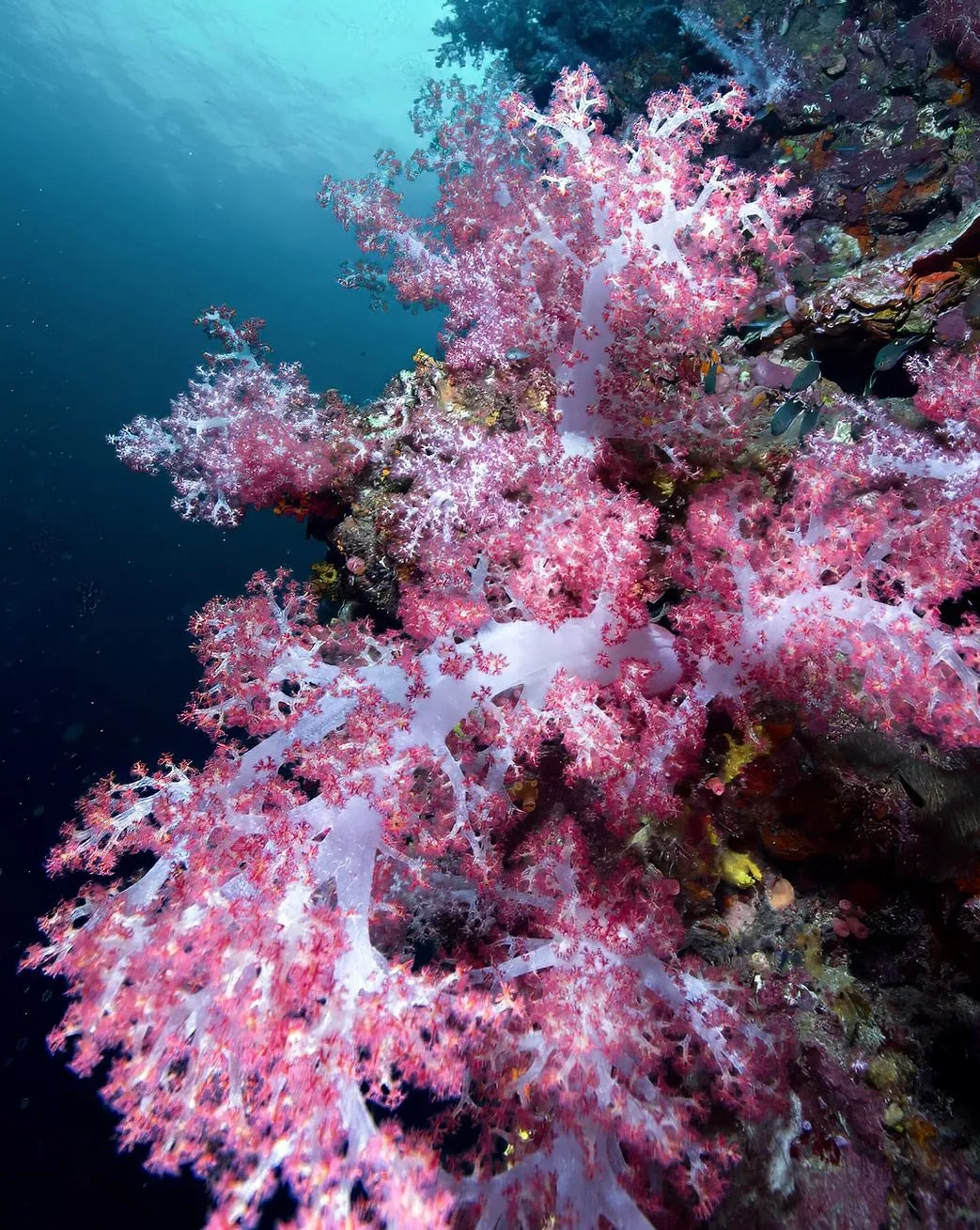
You’ve heard about the Reef, you’ve seen the photos — but what are five interesting facts about the Great Barrier Reef that you might not have heard before will totally flip your perspective on this incredible place. Snaking its way across the Coral Sea, and safeguarded as a protected World Heritage Site, this enormous coral reef system is home to a ridiculous variety of marine life – from teeny tiny coral polyps right up to majestic humpback whales. It’s ancient, alive and still coral polyps right up to majestic humpback whales. It’s ancient, alive and still telling stories that go back even further than Australia itself. Whether you’re dreaming of a scuba diving adventure or planning a sightseeing flight over the Great Barrier Reef Marine Park, this post is going to take you on a journey that really gets to the heart of what makes the Reef so special.
Contents
hide
Corals Are Not Plants — They’re Animals In Disguise
At first glance, it looks like corals are just pretty, waving sea plants in the current, but the truth is they’re actually animals – and a pretty interesting kind at that. Each coral is basically a living colony of tiny polyps, which just happen to be the same type of beast as jellyfish and sea anemones, building the foundation of the coral reef ecosystem together. These little marine critters extract calcium carbonate straight from seawater and use it to build their skeletons – the hard base that makes up the reef itself.
They’ve got a special deal going on with tiny microscopic algae called zooxanthellae, which basically power the coral growth through photosynthesis, which in turn fuels the marine biodiversity of the Reef – supporting thousands of fish species, sea turtles, and marine mammals that all rely on hard and soft corals for food and shelter.
Coral Quick Facts:
| Coral Type | Growth Rate | Common Example | Role In Reef |
|---|---|---|---|
| Hard Corals | 0.3–10 cm/year | Brain Coral, Staghorn Coral | Reef Builders |
| Soft Corals | Variable | Sea Fans, Whips | Provide Habitat For Marine Species |
| Mushroom Corals | Solitary | Fungia spp. | Free-Living Coral Species |
This Iconic Reef Once Sat High and Dry
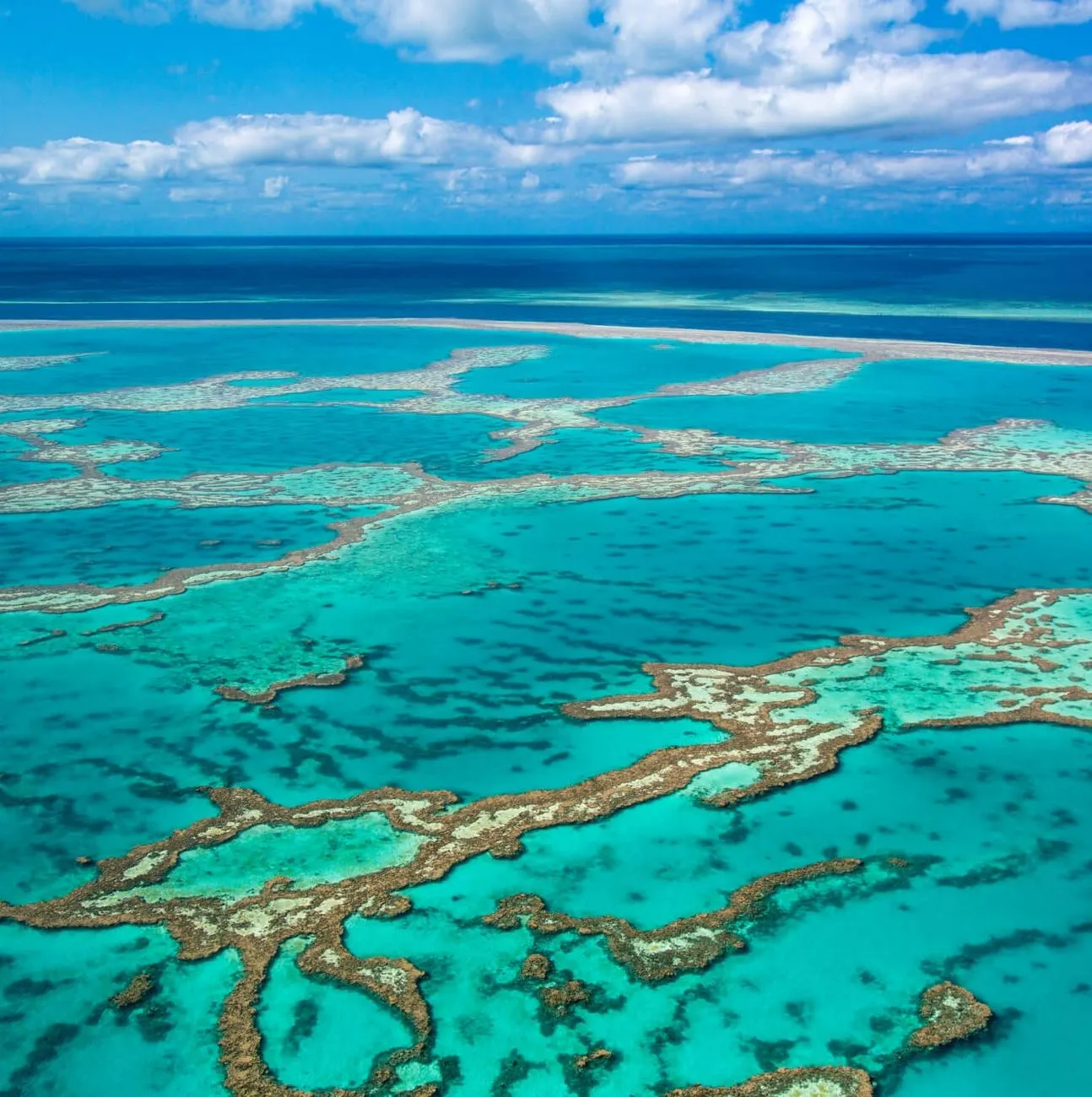
Here’s a real head-turner – this famous reef wasn’t always a sunken wonder. Get this – about 20,000 years ago, sea levels had dropped to 120 metres lower, and a big chunk of the current marine park area was actually dry land. Then, when the last Ice Age finally ended, melting glaciers flooded the coastal plains, and suddenly the conditions were ripe for coral to begin forming. Thousands of years passed, and coral cays, fringing reefs, and coral gardens gradually evolved into thecoral cays, fringing reefs, and coral gardens 2,300-kilometre-long network we now know as the Great Barrier Reef Marine Park.
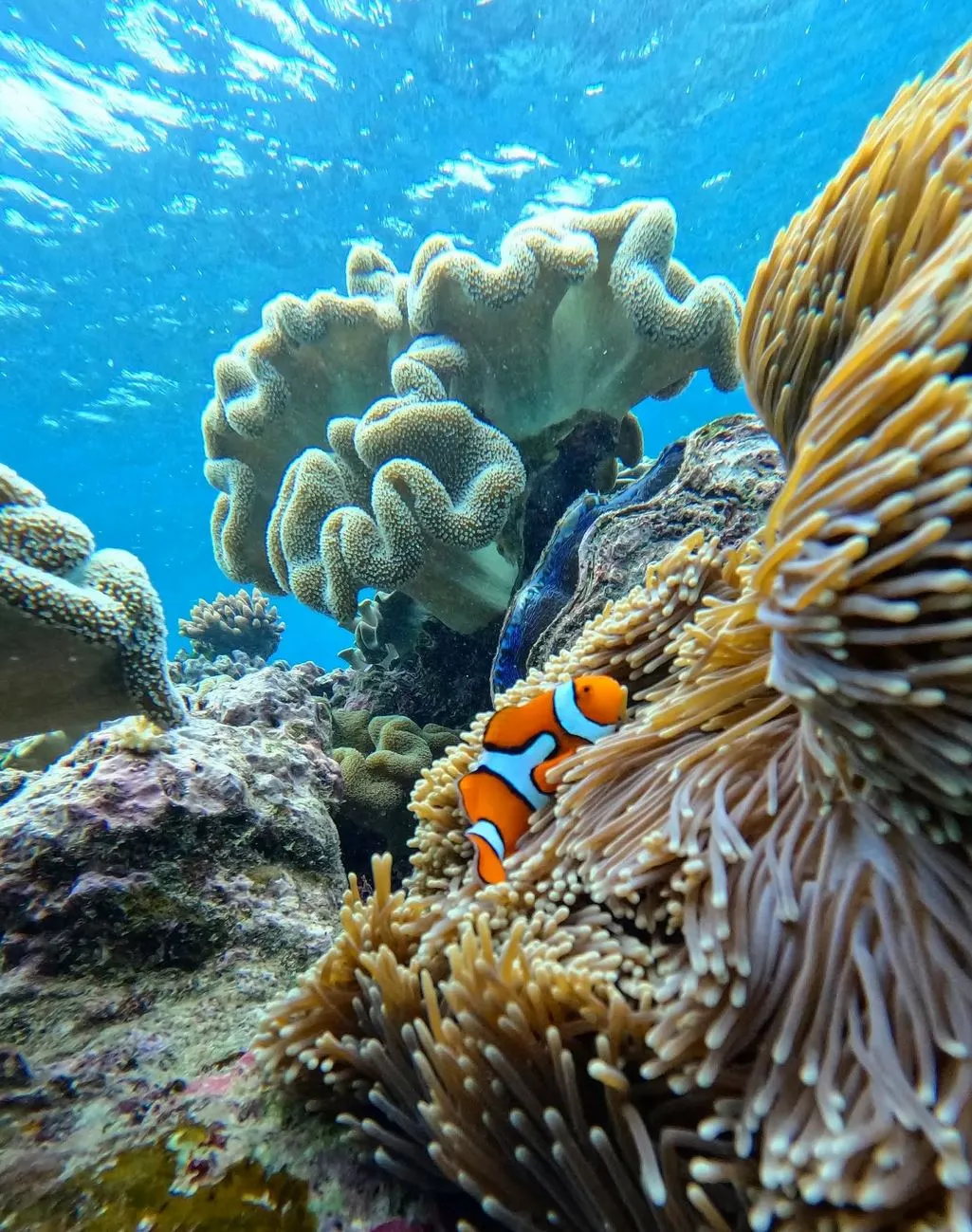
Parts of the Reef are an incredible half a million years old, but the coral cover you see when you snorkel near Agincourt Reef, Flynn Reef, or Heron Island is more like a mere 8,000 years old. And what a treat that is – those areas are home to stunning soft corals, hard corals, and swaying seagrass beds – and those in turn provide a haven for turtle hatchlings, anemone fish, and all sorts of colourful creatures you might remember from watching Finding Nemo
Now the Queensland coastline is dotted with reminders of its ancient past. The Whitsundays and Hamilton Island were once mountain peaks, but rising sea levels created island oases surrounded by marine habitats. And that’s how the world got the largest UNESCO World Heritage Area – a living history of how the planet has changed over time.
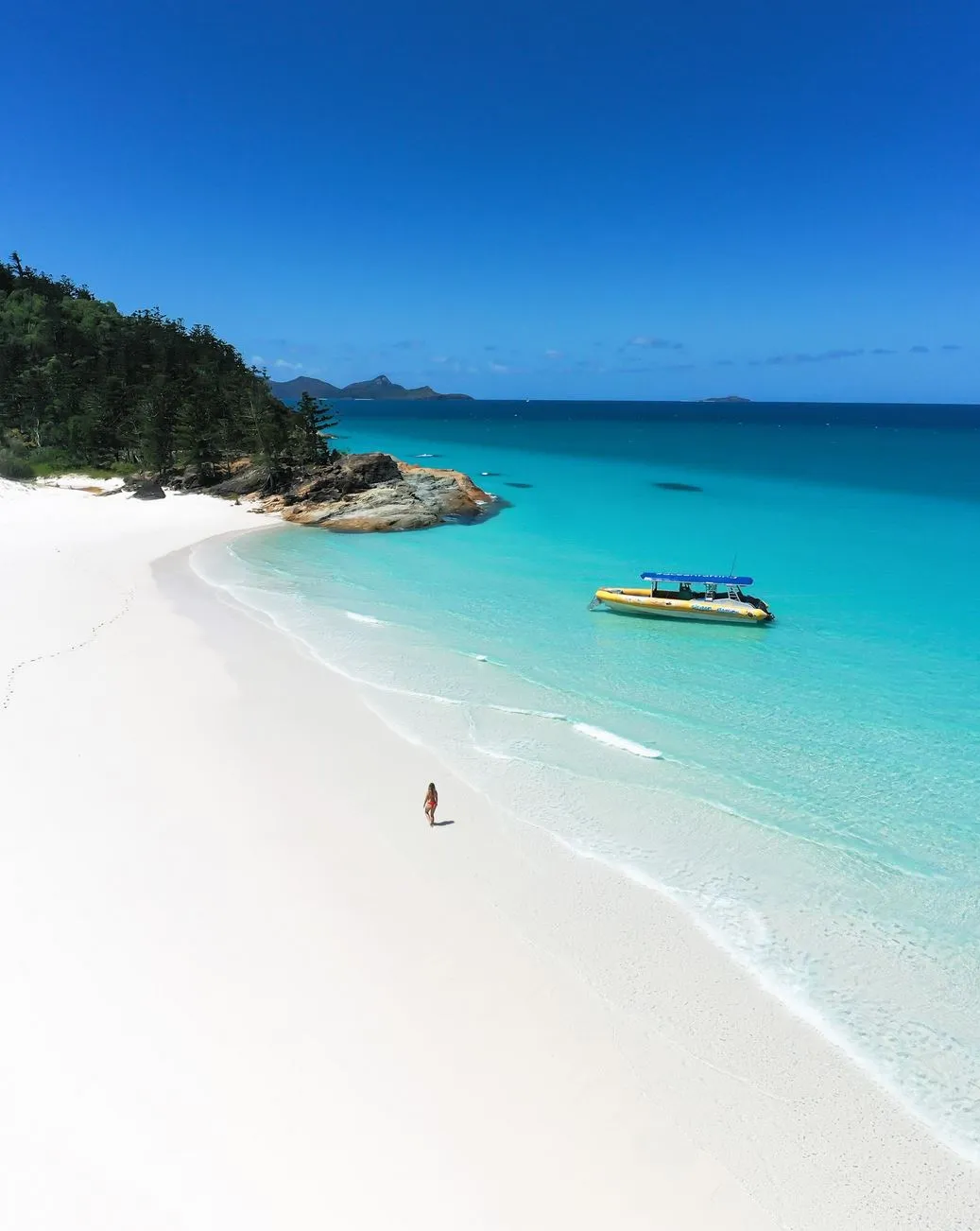
Before maps, charts, or GPS existed, the Traditional Owners of this UNESCO World Heritage region navigated the Reef’s coral cays and lagoons in canoes. The Ngaro tribes, Gimuy Walubara Yidinji, and Guru-Gulu Gungganji peoples knew the marine ecosystem inside out – they could read the wind, the currents and the stars to chart their way between islands and hunt in a way that was both sustainable and respectful of their land.
To them, the coral reefs and marine wildlife were part of something much bigger than just a resource – they were part of Sea Country. Dugongs, sea turtles, sharks and rays all feature in the Dreaming stories of every tribe, and each had a role to play in looking after its bit of reef. The Queensland Government and the Marine Park Authority have teamed up with Traditional Owner groups to develop Reef Joint Management Programs – and that means Indigenous knowledge plays a big part in reef conservation.
If you visit with an eco-friendly tour operator like Dreamtime Dive & Snorkel, you’ll get to hear these stories from the horse’s mouth. Their guides will regale you with tales of how the coral came to be – and share some of the old rules around respecting the marine species that call the Reef home – keeping those old ways alive and kicking in modern conservation.
It’s Winter — And The Reef Is Just Warming Up
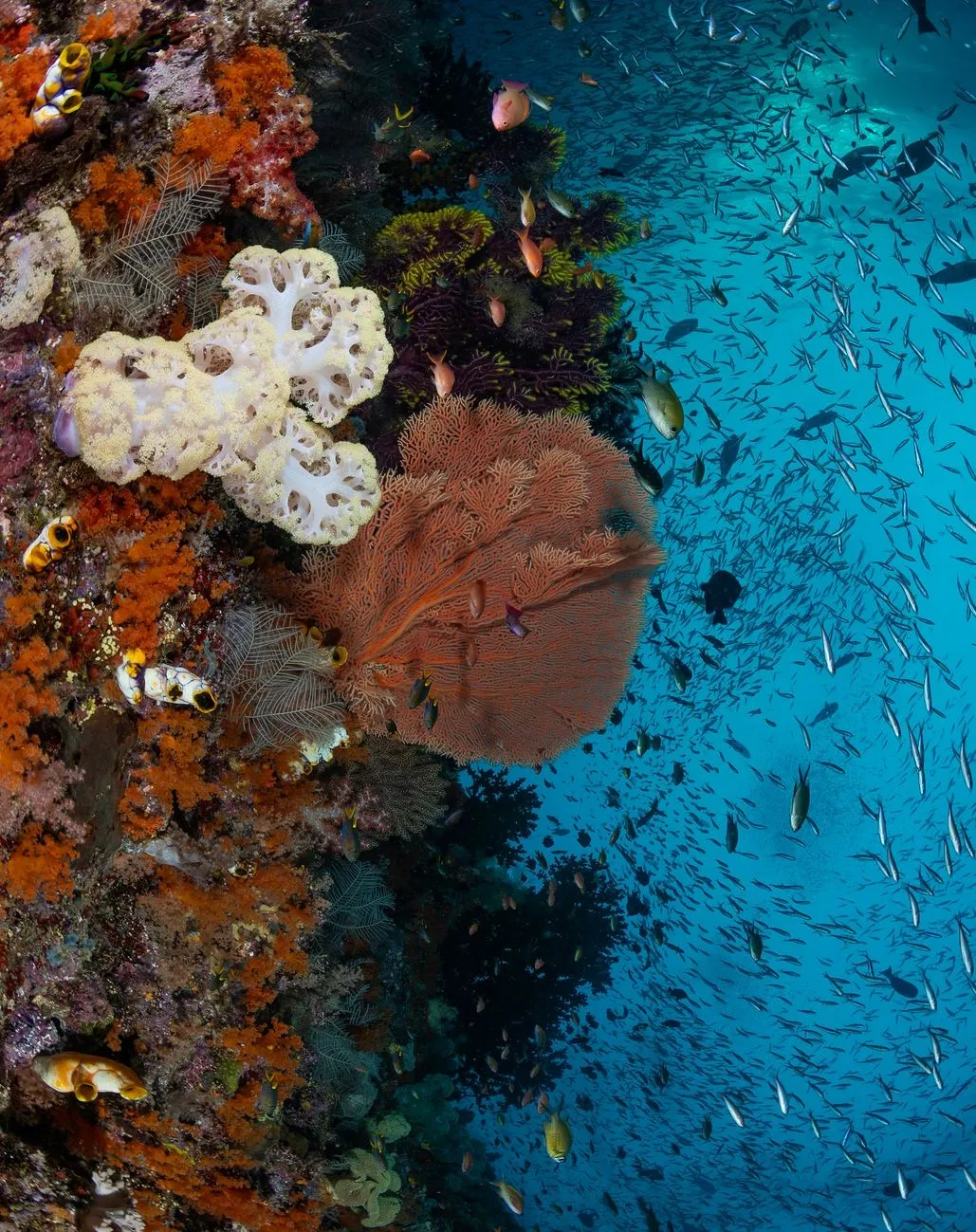
There’s a secret that’s not so secret – the Great Barrier Reef really comes into its own in the Australian winter. Between June and August, the air temp is a lovely 25°C and the water stays a balmy 23-26°C – perfect for Scuba Diving, snorkelling or liveaboard dive trips.
Winter’s also whale season, when humpback whales and minke whales migrate through the Coral Sea, sometimes cruising by Port Douglas or the outer reefs. You might just catch a glimpse of a Maori Wrasse, bottlenose dolphin, or Tiger shark gliding through the crystal-clear water. And on full moon nights, coral spawning events turn the water into a dazzling display of underwater light – a natural wonder that’s unlike anything you’ll see anywhere else on earth.
Seasonal Travel Guide:
| Season | Average Water Temp | Conditions | Travel Tip |
|---|---|---|---|
| Wet (Nov–Apr) | 28–30°C | Humid, Stinger Season | Wear A Stinger Suit, Watch For Jellyfish |
| Dry (May–Oct) | 23–26°C | Clear Skies, Calm Seas | Best Time For Divers And Whale Watchers |
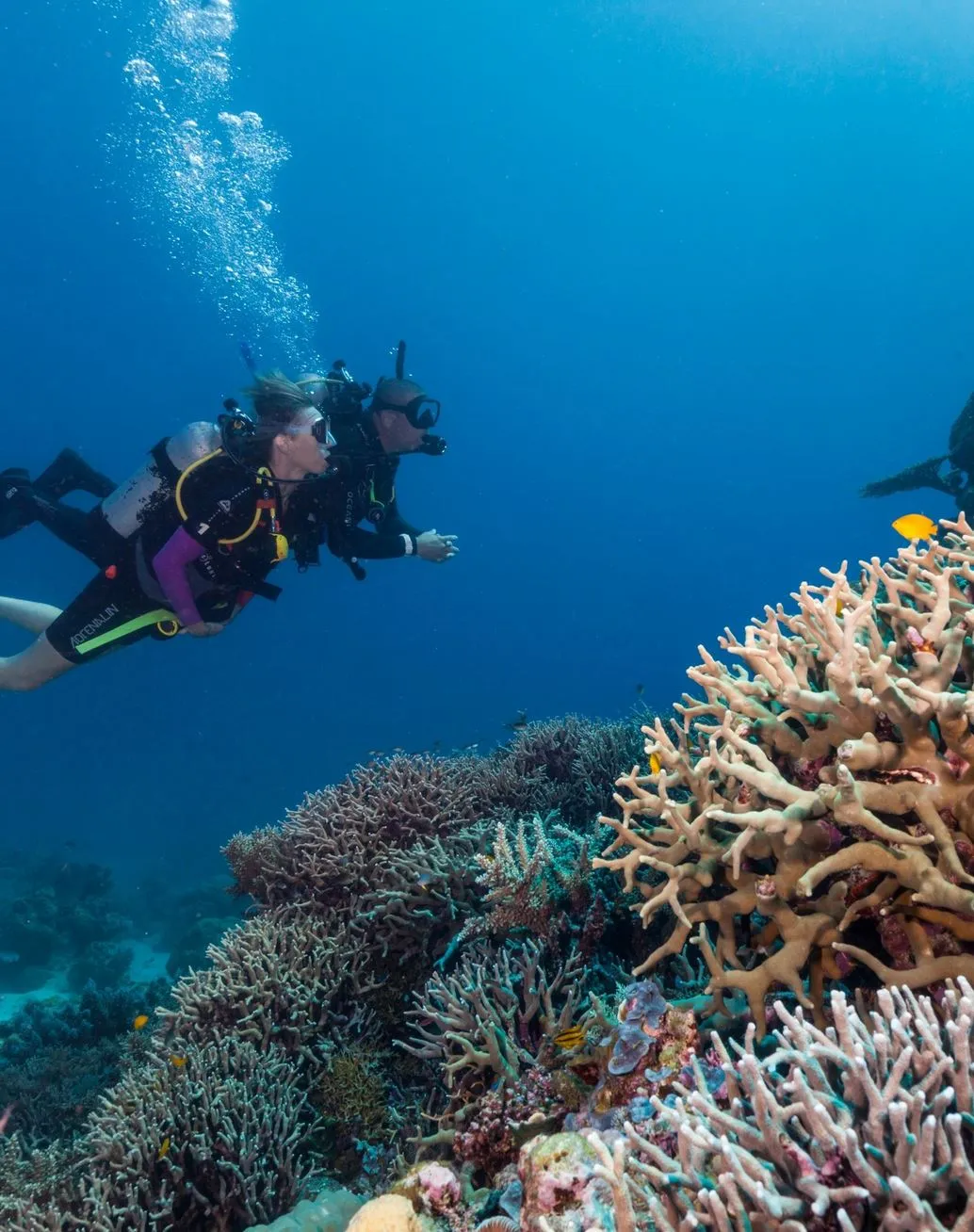
Great Barrier Reef Tours are available all year round – whether it’s the dry season or the wet – so you can be sure of getting the best out of your Reef experience, whatever time of year you’re visiting.
It’s true – astronauts on the International Space Station have snapped the Great Barrier Reef from way up high. Spanning an enormous 344,400 square kilometres – roughly the same size as Italy – the Reef is basically the only living structure that’s visible from space. With over 2,900 individual reefs, 900 islands, and thousands of marine species, from sea snakes to green turtles, its sheer scale is mind-boggling.
BUT – even with all the amazing pics that come back from satellites, you can’t actually see the beauty of this underwater world from up there. Under the surface, rainbow coloured fish, crown-of-thorns starfish, and glowing corals light up a maze of coral gardens. If you’re lucky enough to dive at Haggerstone Island or Agincourt Reef, you can see rare soft corals and untouched fringing reefs teeming with marine life, all thanks to the careful management of the Great Barrier Reef Marine Park Act (1975).
It’s a good reminder that having World Heritage status isn’t just about bragging rights – it’s also a way to protect this ecosystem, which is still recovering from mass bleaching events and sediment pollution caused by fossil fuels and coastal development.
A Living System Worth Fighting to Protect
Standing out on a boat deck above this massive marine protected area, it’s hard not to feel a bit awestruck – and a bit responsible. The Great Barrier Reef Marine Park Authority, in partnership with the Queensland Government, has invested decades in balancing tourism with protection – they’re always looking for ways to improve. Projects like the Reef 2050 Plan and Reef 2050 Actions are doing their part to enhance water quality, fishing practices, and reef health so that future generations can still enjoy this incredible living wonder.
We run small reef journeys through Great Barrier Reef Tours – and we only work with eco-friendly tour operators who’re committed to doing things the right way. Our trips actually help fund coral restoration, reef monitoring, and education projects that keep both visitors and locals connected to this amazing marine ecosystem.
FAQ
How old is the Great Barrier Reef?
The current Reef is around 8,000 years old, but coral reef formations have been forming and breaking down in this area for hundreds of thousands of years.
Who are the Traditional Owners of the Reef?
More than 70 Aboriginal and Torres Strait Islander groups, including the Ngaro and Gimuy Walubara Yidinji, have a strong cultural connection to the Sea Country within the Great Barrier Reef Marine Park.
When’s the best time to visit?
If you can time it just right, winter (June–August) is when the water is clearest – perfect for spotting marine turtles, whales, and soft corals, all without the oven-like heat of the wet season.
How can travellers help protect the Reef?
If you’re a responsible traveller, you can support eco-friendly tour operators, choose eco-accommodation to avoid sediment runoff, and use reef-safe sunscreen.
Can you actually see the Reef from space?
Yeah – the International Space Station and satellites have got some fantastic pics of this World Heritage Listed Site – visible as this huge turquoise streak along Queensland’s coast.