
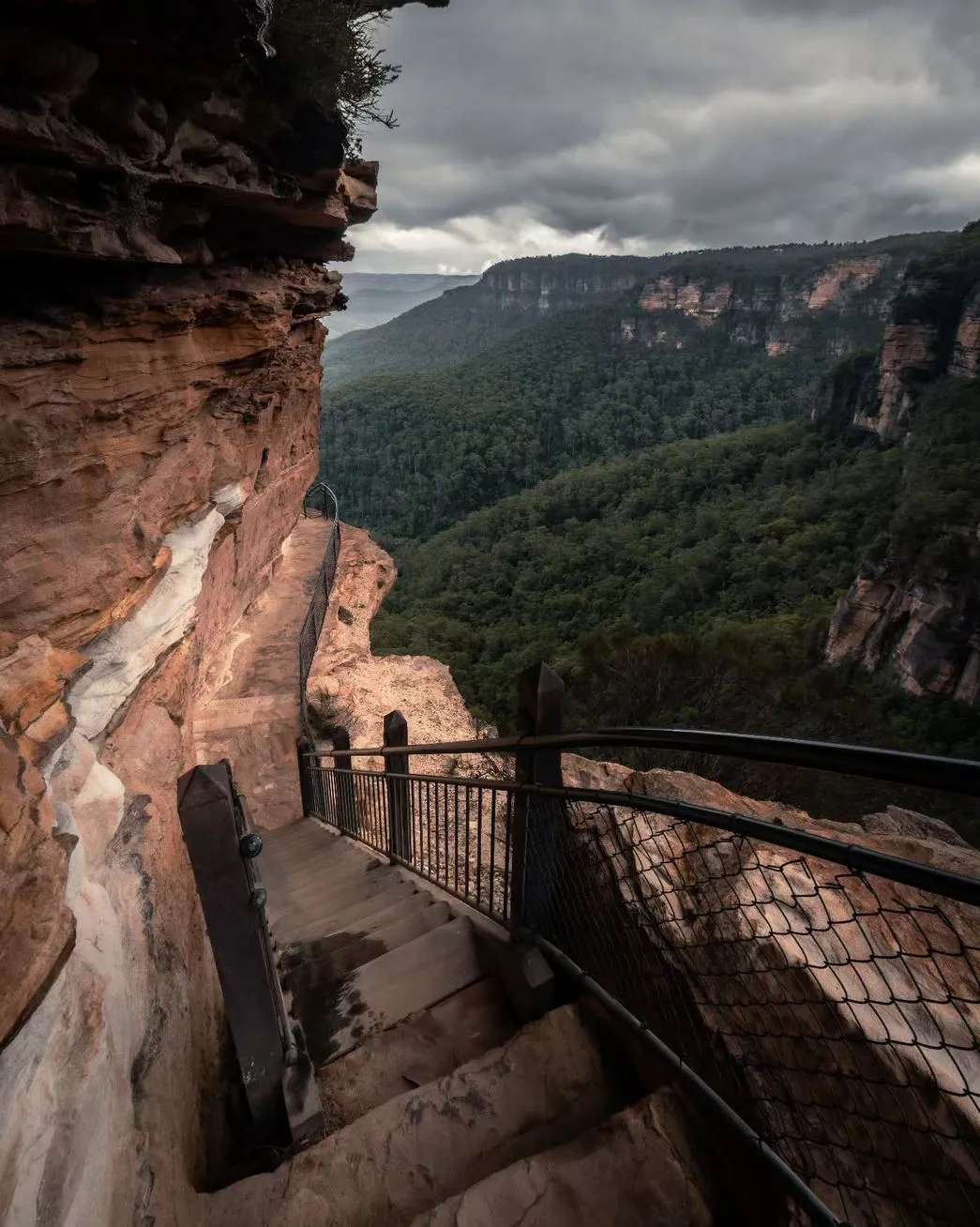
Every week, I get asked the same question by travellers passing through Sydney: “Do you need a guide for the Blue Mountains?” Some swear by going it alone with a train ticket and Google Maps, others reckon they’d have been lost without a local showing the way. I’ve done both many times. I’ve slogged those steep bush tracks on my own, and I’ve also led groups under the Get Lost Travel banner. So here’s my take — boots on the ground, mozzie bites and all.
Contents
hide
Self-Guided vs Guided: Which Suits You Better?
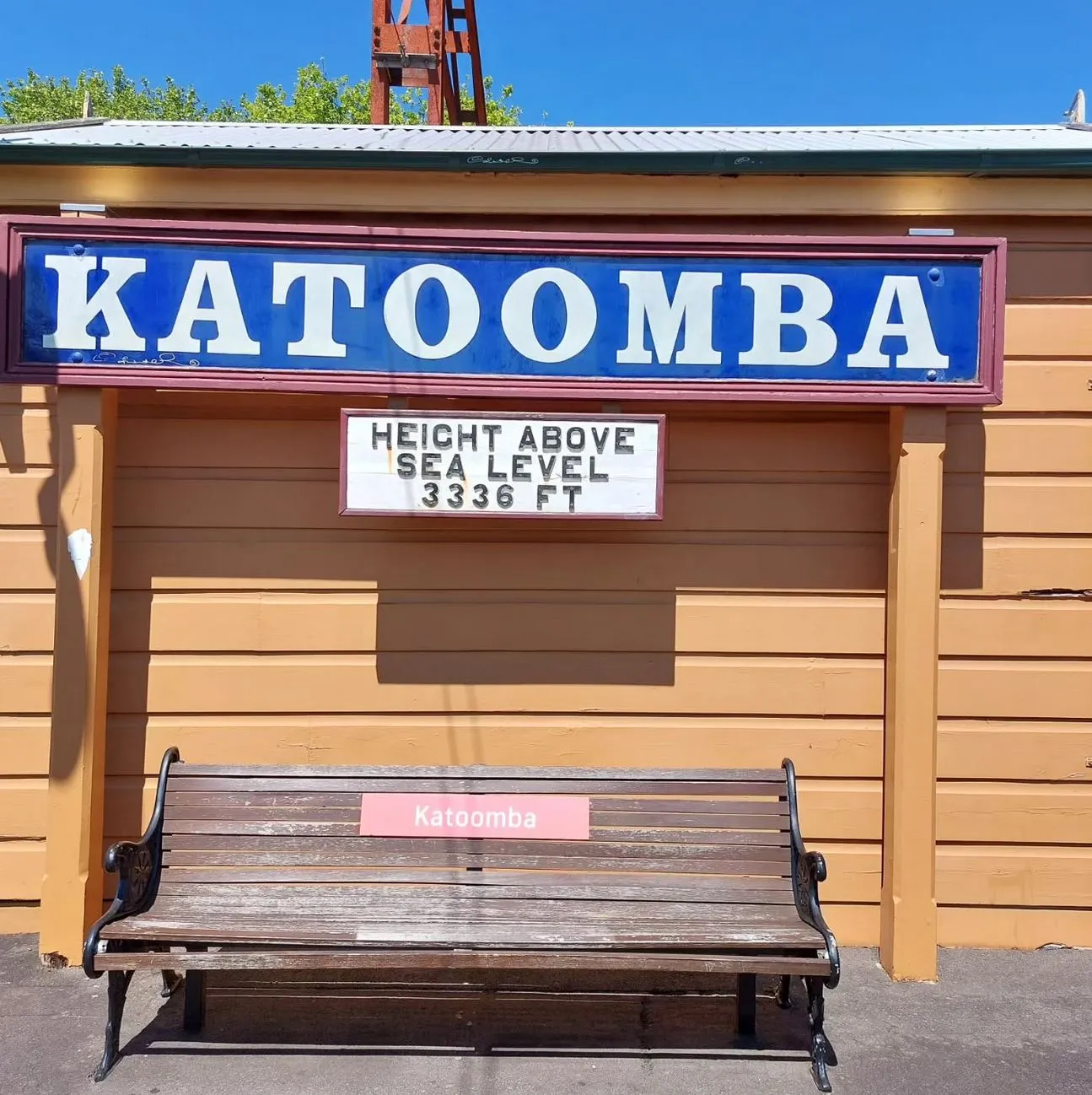
Some folks love the freedom of wandering at their own pace, hopping off at Katoomba station, grabbing a meat pie, and seeing where the track leads. Others prefer someone else handling the logistics so they can focus on the sights (and avoid arguments with the GPS). Neither is wrong — it’s about what sort of traveller you are.
A guided tour takes away the planning stress, while a self-guided wander gives you more flexibility. The catch? The Blue Mountains cover over 1 million hectares of rugged sandstone escarpments, valleys and rainforest. That’s a lot of ground to cover, and easy to muck up if you don’t know where you’re heading.
How Big Is This World Heritage Park?
It’s hard to appreciate just how big this World Heritage-listed area is until you’re in it. The region is west of Sydney and is roughly the size of Cyprus. According to NSW National Parks data, over 4.4 million people visit each year, making it one of Australia’s most popular natural escapes.
Here’s a quick look:
| Feature | Blue Mountains NP | Sydney City (for comparison) |
|---|---|---|
| Area | ~1,030,000 hectares | ~120,000 hectares |
| Annual Visitors | 4.4 million+ | 15 million+ |
| Walking Tracks | 140+ tracks | Mostly urban paths |
| Highest Point | 1,189m (Mount Werong) | 58m (Sydney CBD) |
The Case for a Local Guide
You’ll miss out on so much without one. Local guides know:
- Which trails are closed after rain (landslides are common)
- The cultural significance of sites to the Gundungurra and Darug Traditional Owners
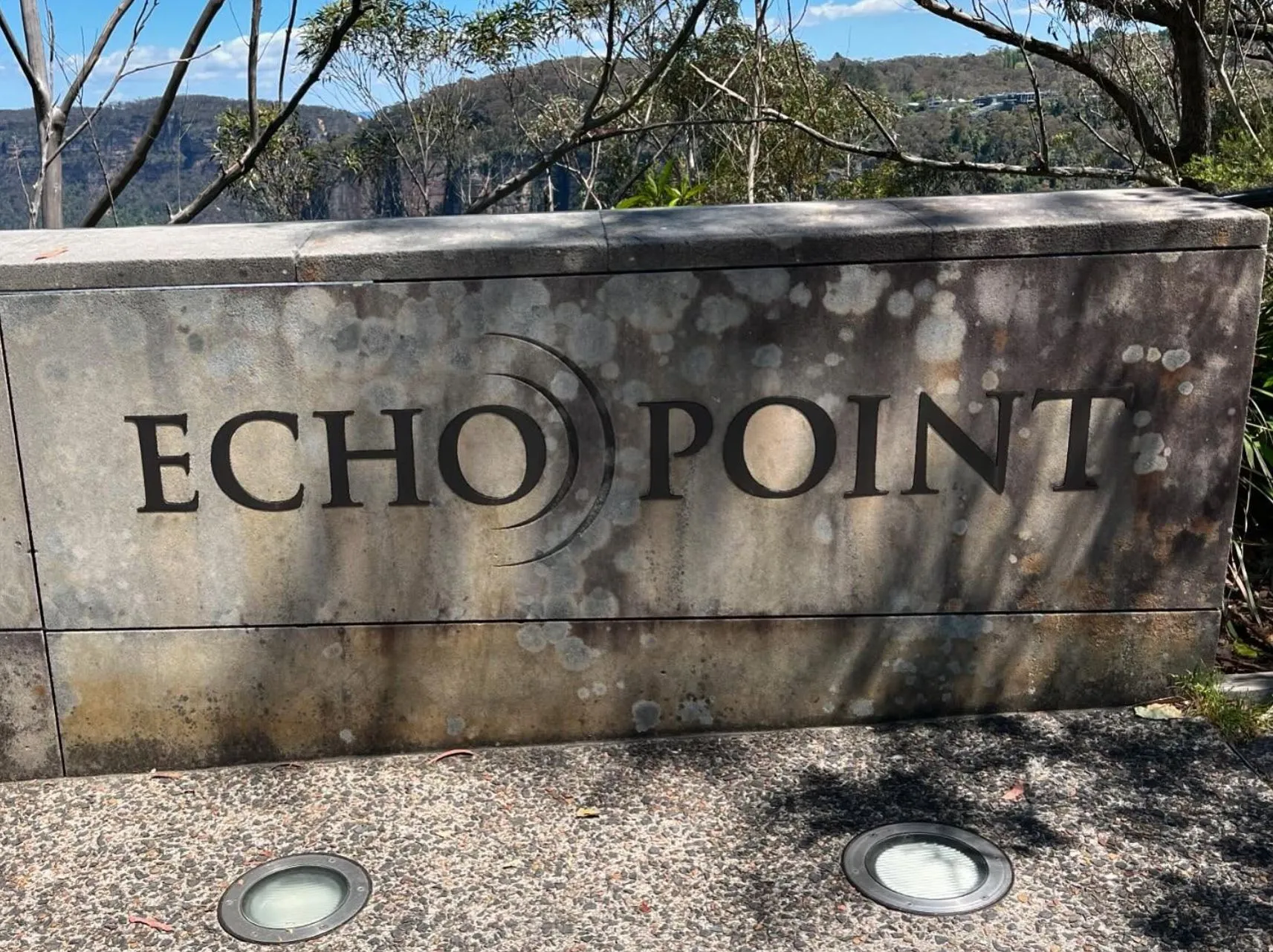
- How to avoid the crowds at Echo Point lookout
- Where to spot lyrebirds or glow worms without tripping over tourists
- The history behind Katoomba’s art deco buildings and old guesthouses
Travellers who book a Blue Mountains Tour say the commentary and insider knowledge make the landscapes come alive in a way no guidebook can.
What You’ll Gain Doing It Solo
- Don’t want a schedule? Going solo means:
- Catch the train from Central to Katoomba for under $10 with an Opal card
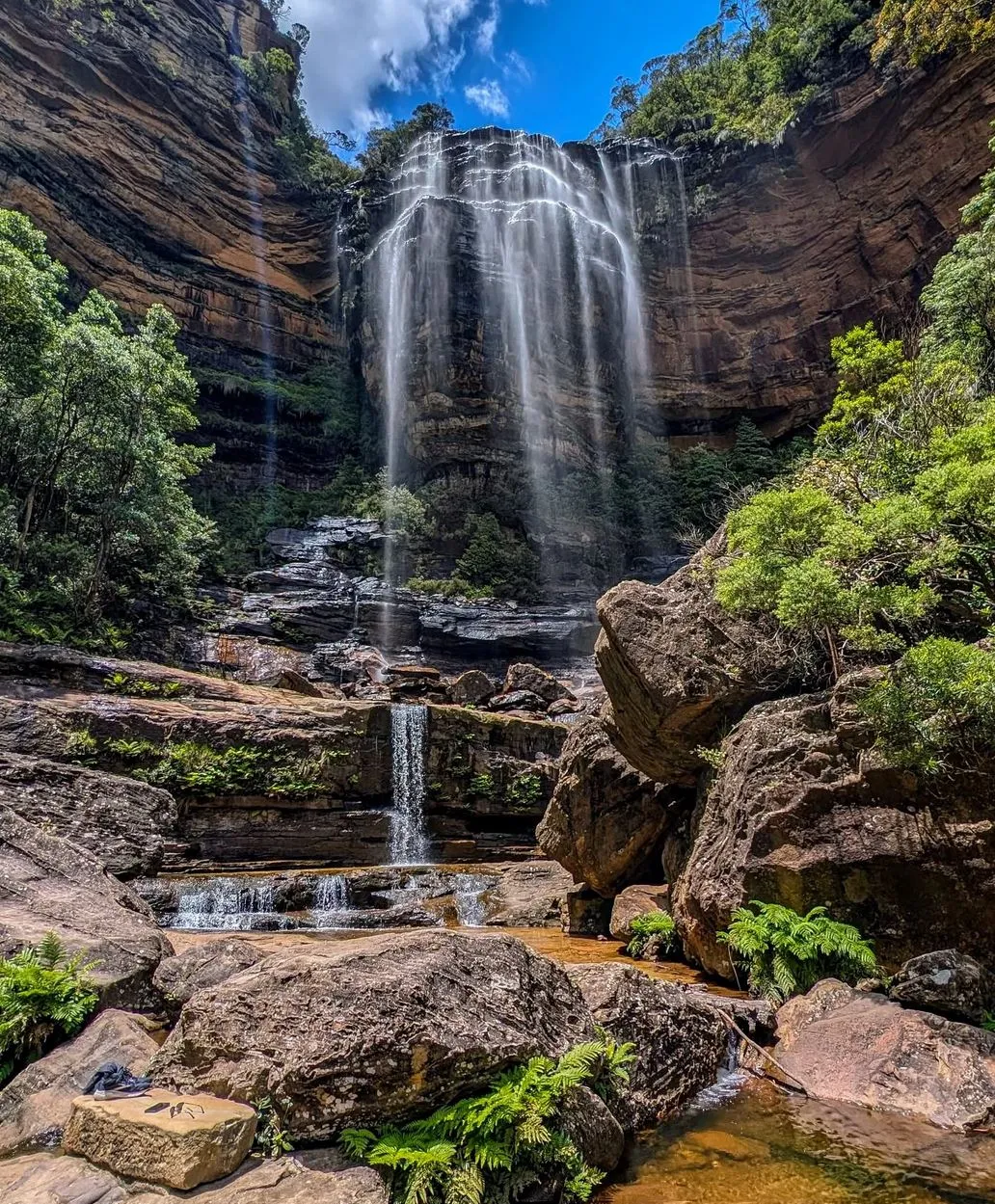
- Choose your own track — like the Prince Henry Cliff Walk or the Wentworth Falls loop
- Sit for as long as you like at a lookout, without being herded back on the bus
- Wander through Leura’s boutique shops and art deco streetscapes at your own pace
The Blue Mountains have decent signage on the major trails, but venture off onto the lesser-known tracks and you’ll get lost. I once met a couple who thought they were heading for Leura Cascades, but ended up three hours down a fire trail with no water. Don’t be that mob.
Safety and Bush Sense
Out here, conditions change fast. Summer bushfires, sudden storms and winter mornings cold enough to freeze your fingers on the billy handle. Rangers perform hundreds of rescues a year, often for underprepared walkers.
If you go it alone, follow the basics:
- Tell someone where you’re going
- Pack more water than you think you’ll need
- Carry a paper map (yes, they still matter if your phone carks out)
- Wear proper shoes — not thongs or white sneakers
With a guide, most of these worries are taken care of. They carry radios, first aid, and know the escape routes if things go pear-shaped.
Cost Breakdown: DIY vs Guided
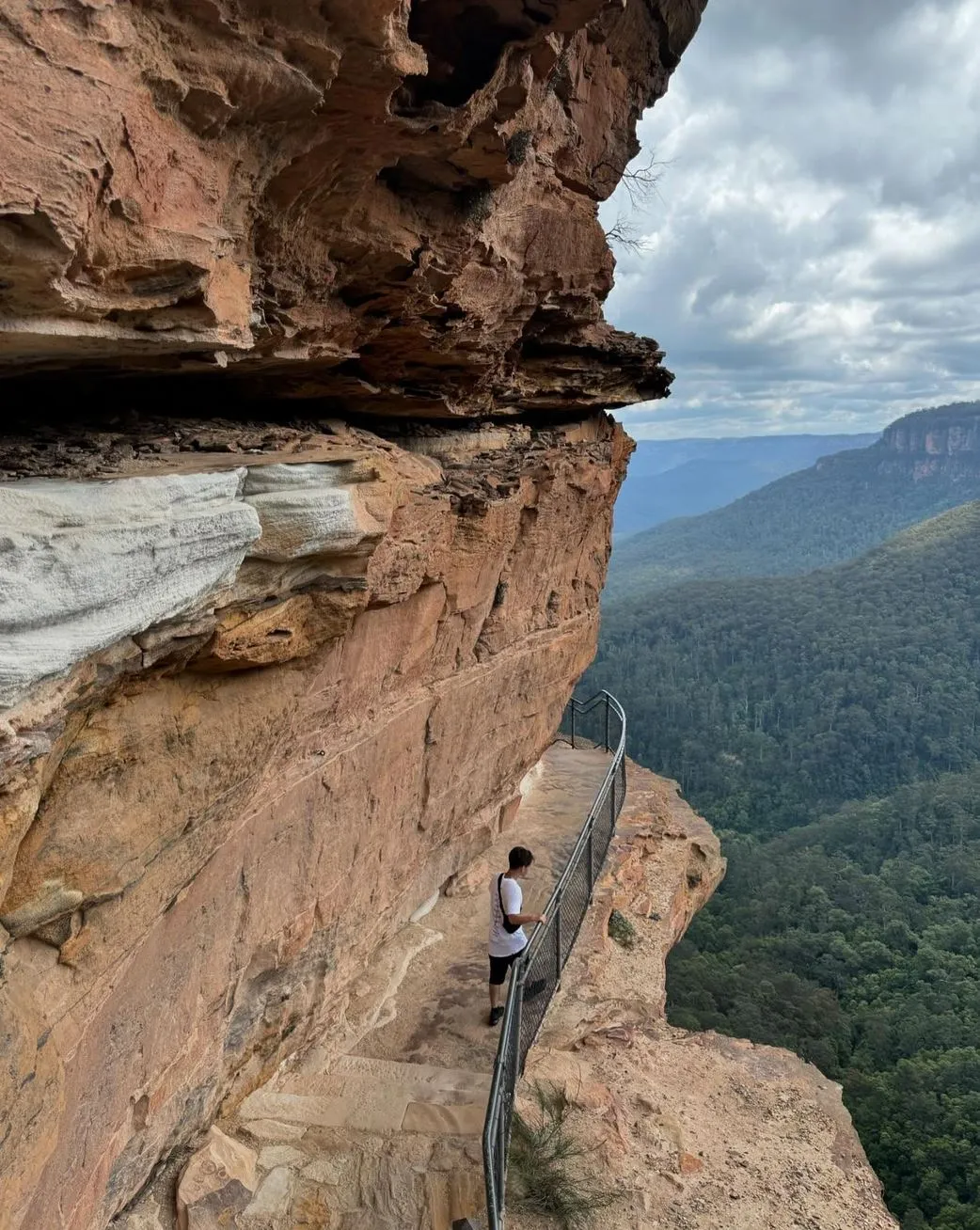
Here’s the money side of it, which often makes the decision for travellers:
| Option | Typical Cost (AUD) | Inclusions |
|---|---|---|
| DIY (train + snacks) | $30–$60 | Return train, food, park entry (free) |
| Small group tour | $130–$180 | Transport, guide, some meals, key lookouts & hikes |
| Private guide/driver | $400–$600+ | Custom itinerary, hotel pickup, full-day support |
Yes, DIY is cheaper. But with a tour, you’re paying for knowledge, convenience and often fewer headaches. Many people opt for a 1 Day Blue Mountains Tour as the sweet spot between cost and convenience.
Seasonal Quirks You’ll Want to Know
- Summer (Dec–Feb): Hot, risk of bushfires, carry extra water
- Autumn (Mar–May): Cooler walking temps, crisp mornings, waterfalls still flowing
- Winter (Jun–Aug): Cold, often under 5°C in the mornings, bring layers
- Spring (Sep–Nov): Wildflowers, birdlife, busy with visitors
I once ran a tour in July where it started at 2°C in Katoomba and ended at 18°C by afternoon. Pack like you’re heading for four seasons in a day.
Cultural and Historical Context
The Blue Mountains aren’t just about dramatic cliffs. The Traditional Owners, the Gundungurra and Darug peoples, have stories tied to this Country that go back tens of thousands of years. Certain rock shelters and sites are culturally sensitive — you’re welcome in some, but not all. A guide ensures you know the difference.
Then there’s the colonial history: the road across the ranges was only cut in 1813, opening up inland farming and changing the landscape forever. Layer on the art deco influence from Katoomba’s tourism boom in the 1920s, and you’ve got a fascinating blend of heritage. Understanding both perspectives deepens your experience.
Itineraries: One Day vs Two Days
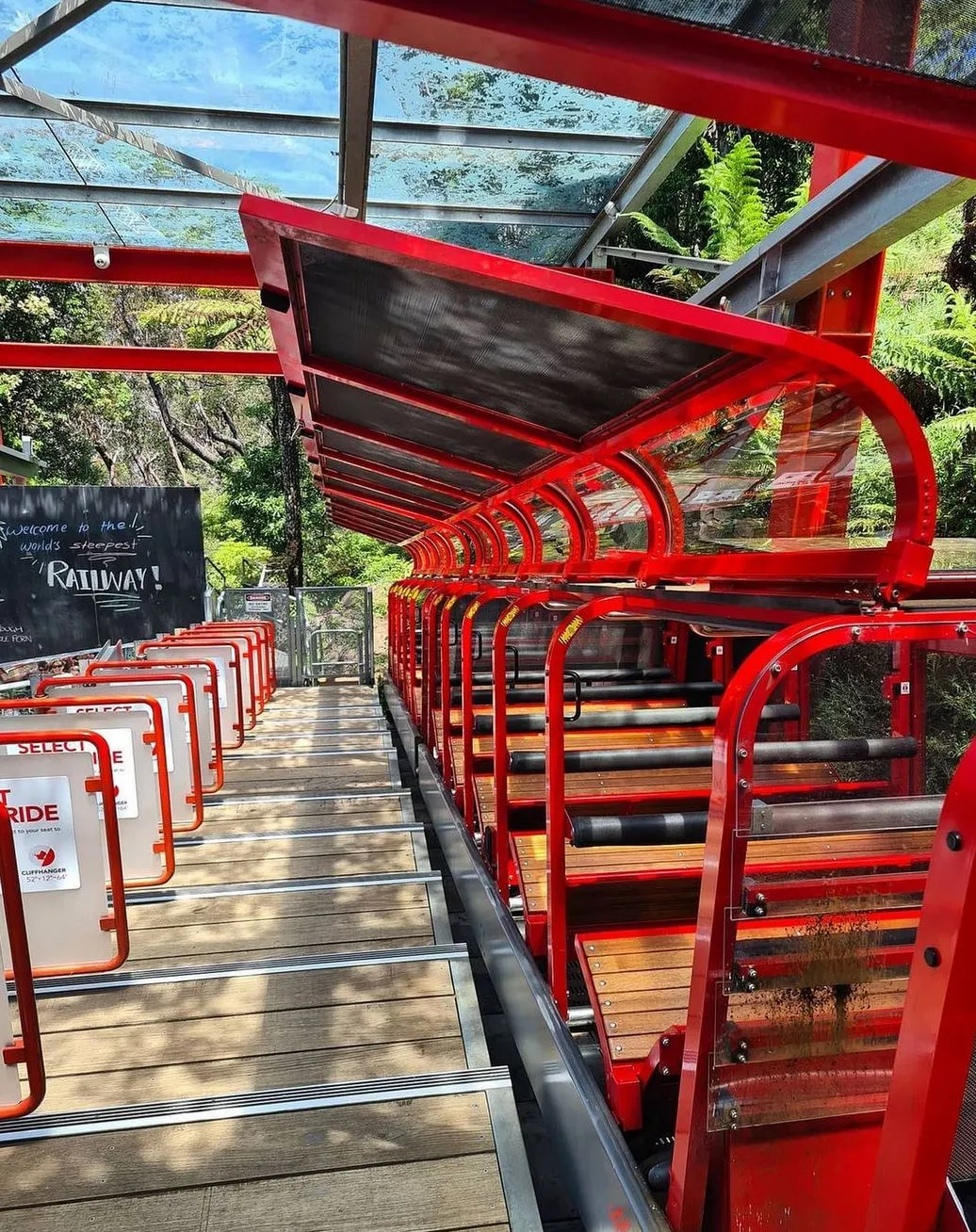
- One Day DIY: Train from Sydney, visit Echo Point lookout, Scenic World, short hike (Wentworth Falls), train home.
- One Day Guided: Pickup from Sydney, multiple lookouts, 2–3 short hikes, commentary, return by evening. Perfect for those booking a 1 Day Blue Mountains Tour.
- Two Day DIY: Overnight in Katoomba or Blackheath, sunrise at Govetts Leap, longer hikes like Grand Canyon or Ruined Castle, maybe check out a hang gliding launch pad if you’re keen.
- Two-Day Guided: Includes accommodation, meals, deeper hikes, a chance to explore Jenolan Caves, natural campgrounds, or glow worm tunnels.
Practical Checklist for Your Trip
- Opal card topped up
- Layers (it gets cold quickly)
- Hat and sunscreen (the Aussie sun bites)* Decent shoes (no fashion trainers)
- Water (at least 2 litres)
- Snacks (don’t rely on finding a servo mid-track)
- Camera or phone (but download maps offline)
Beyond the Tracks: Community and Planning
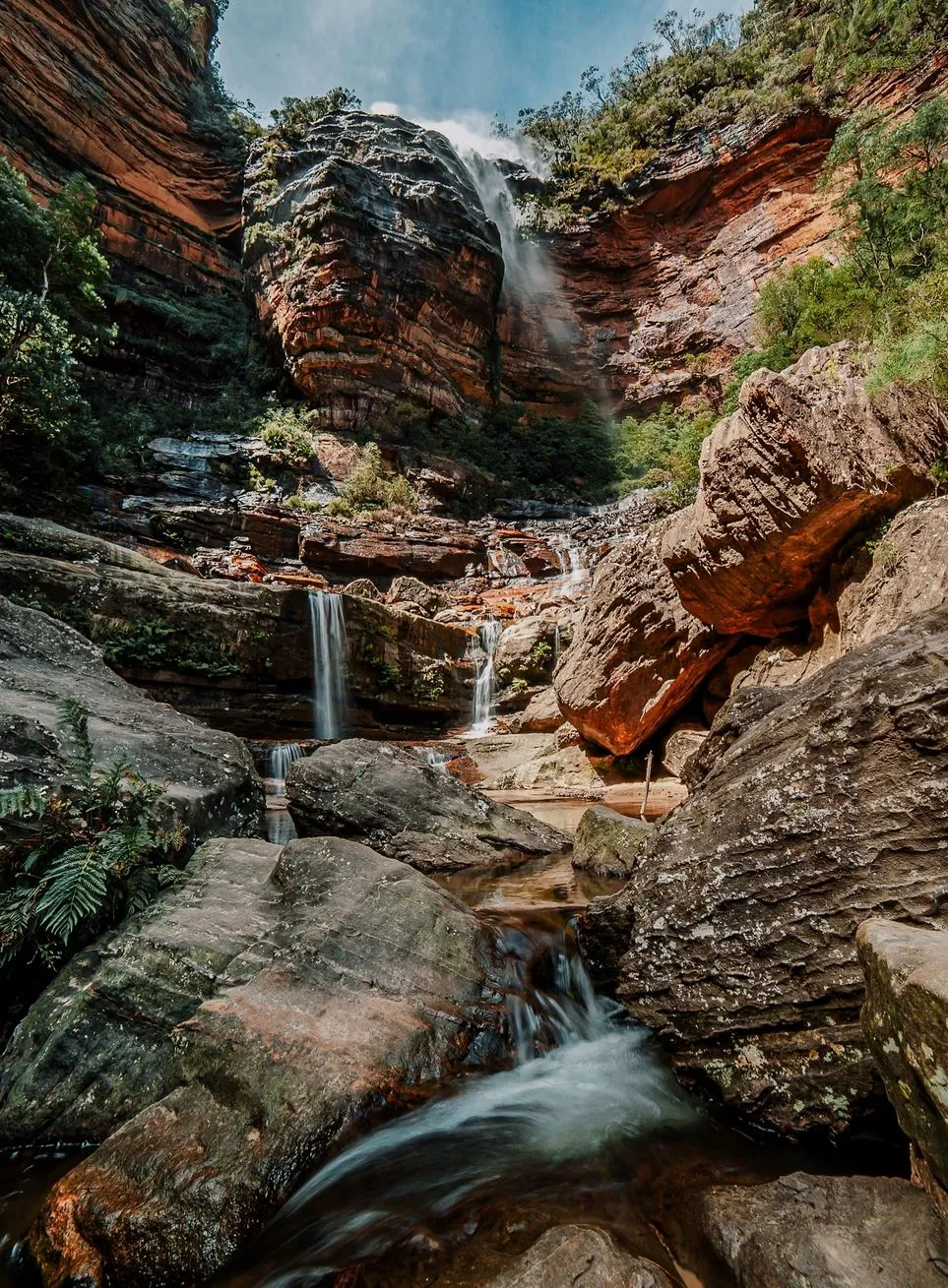
The Blue Mountains isn’t just about bushwalks. Urban planning, development applications and community services all impact how the region deals with millions of visitors each year. Tourist parks and natural campgrounds compete with hotels for overnight stays, while councils balance conservation with new facilities. Ever wondered why certain tracks are closed or why a new lookout gets built? It usually comes down to a mix of safety, funding and planning approvals.
Final Thoughts
Do you need a guide for the Blue Mountains? No. But will a guide make your trip more enjoyable, safer and less stressful? Yes. I’ve seen it with my own eyes. Whether you join a small group with us at Get Lost Travel, book a Blue Mountains Tour, stay at a tourist park or go it alone, the key is respect for Country, preparation and looking beyond the postcard views.
Got your own Blue Mountains stories? Comment below — I’m always updating my notes.
FAQ
Can I go to the Blue Mountains without a guide?
Yes, many do. Stick to the tracks and plan ahead. A guide just makes it safer and more fun.
How long do I need to see the highlights?
One day gives you a taste, but two days let you stretch your legs and not rush. A 1 Day Blue Mountains Tour is often enough for first-timers.
Is it safe to hike alone?
It can be if you’re prepared. Tell someone your plans, bring supplies and don’t underestimate the terrain.
What’s the cheapest way to get there?
The train from Sydney Central to Katoomba is under $10 one way with an Opal card.
Are there cultural considerations I should know about?
Yes. Some sites are sacred to Traditional Owners. Respect the signs, stay on the tracks and listen if a guide explains restricted areas.